Chuao: The Workshop That Changed the Way I Understand Photography
Ten years ago, a documentary photography workshop in Chuao taught me to observe, adapt and keep creating, even in the most difficult conditions.
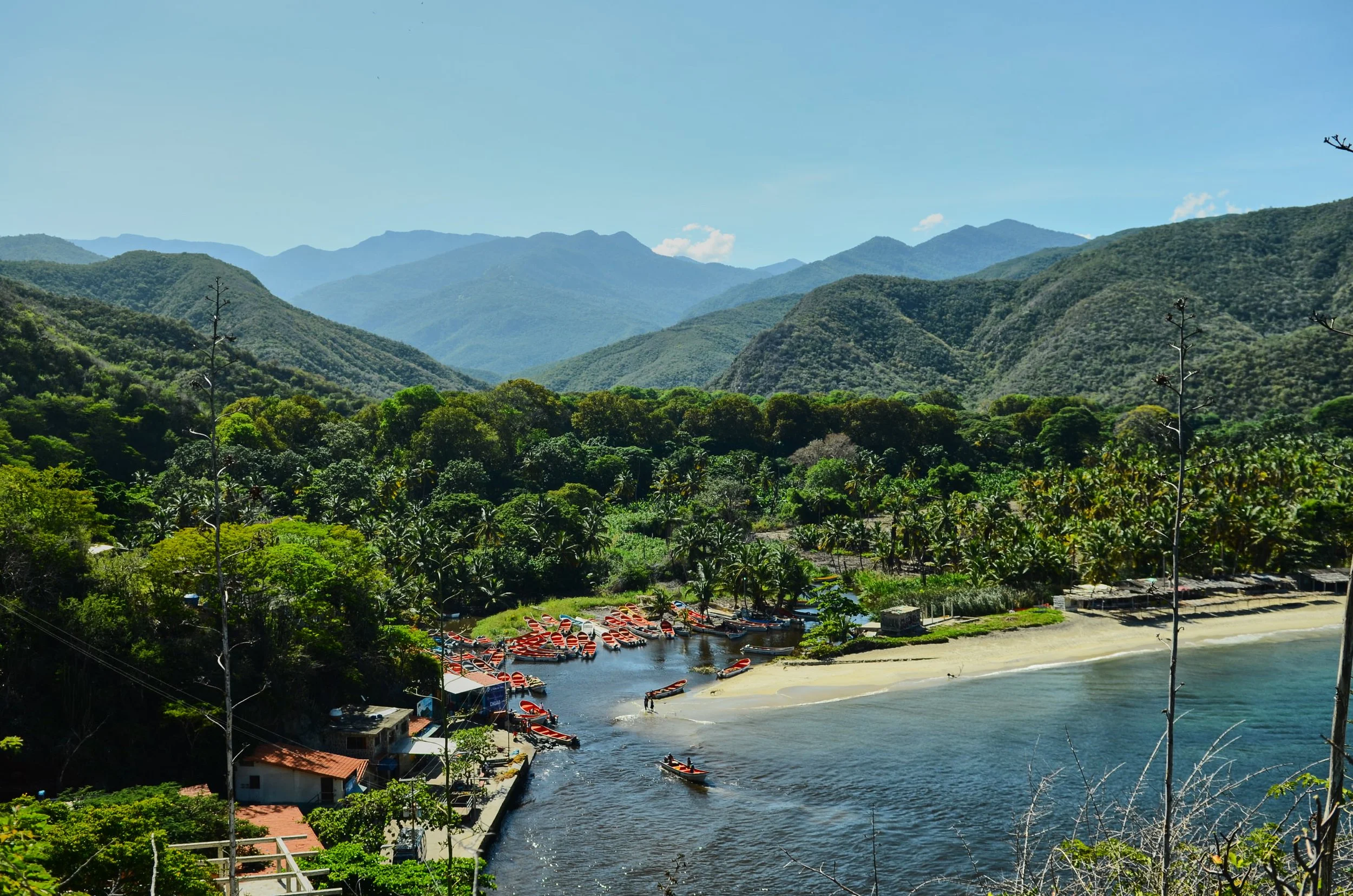
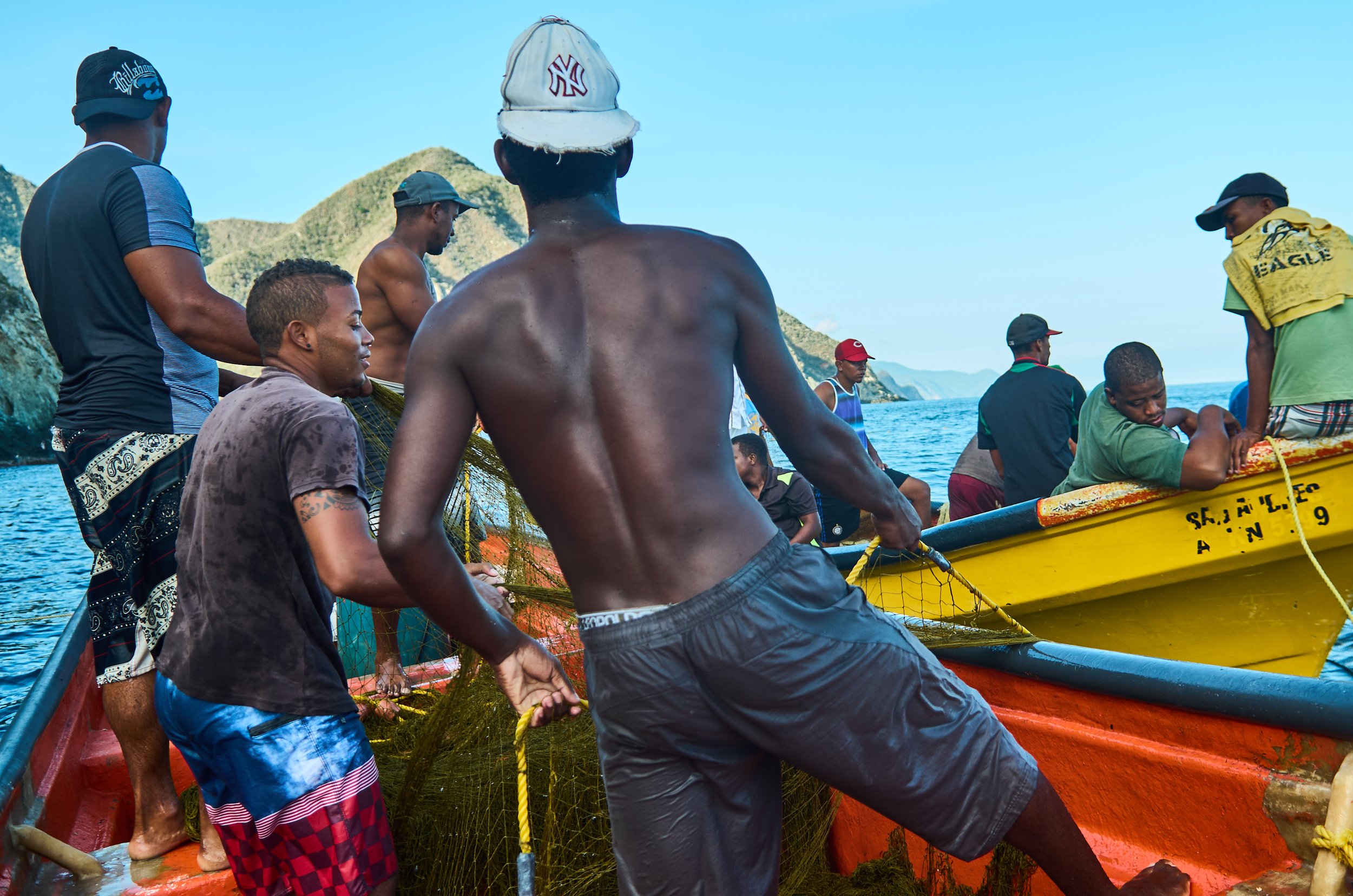
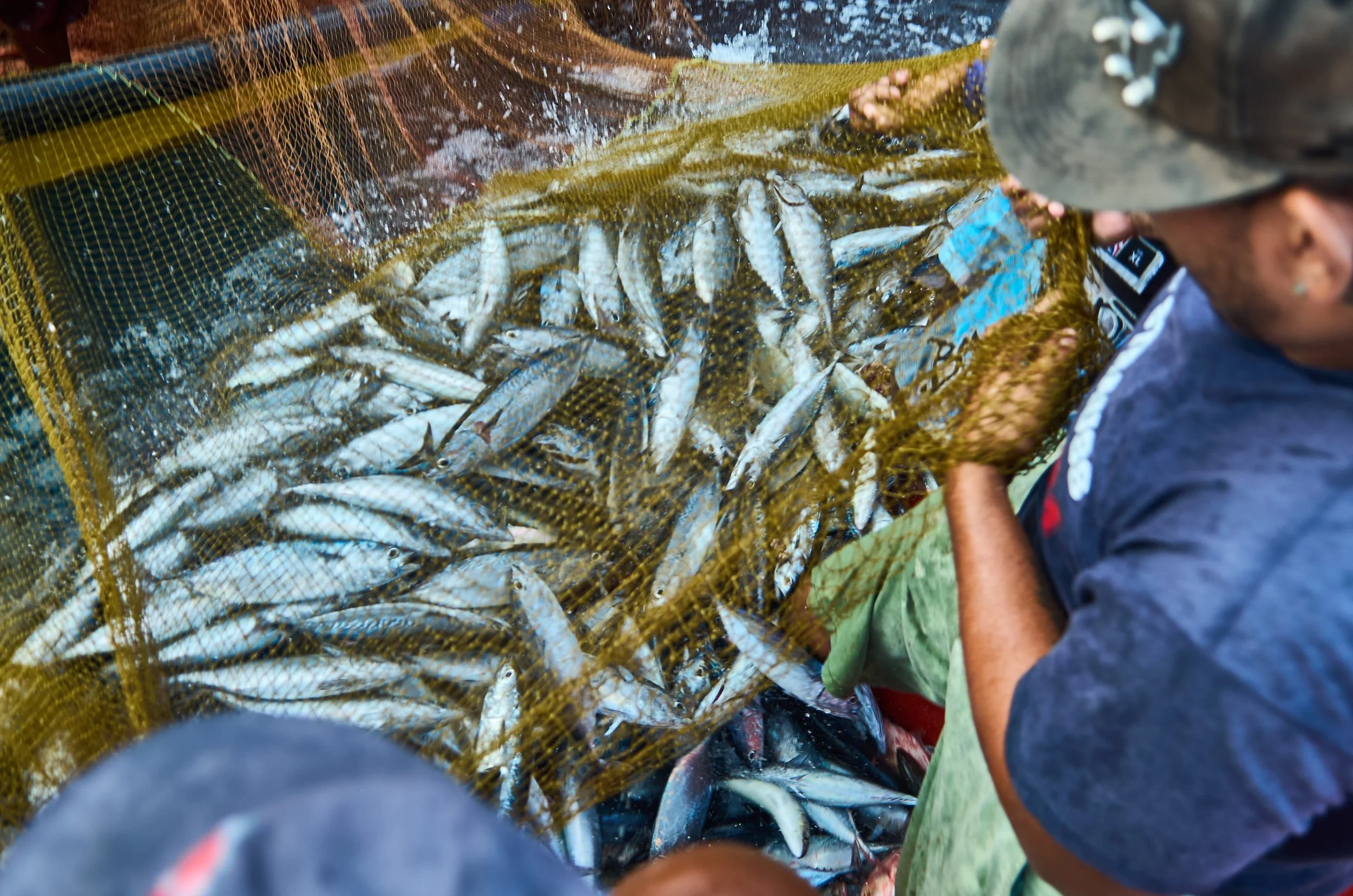
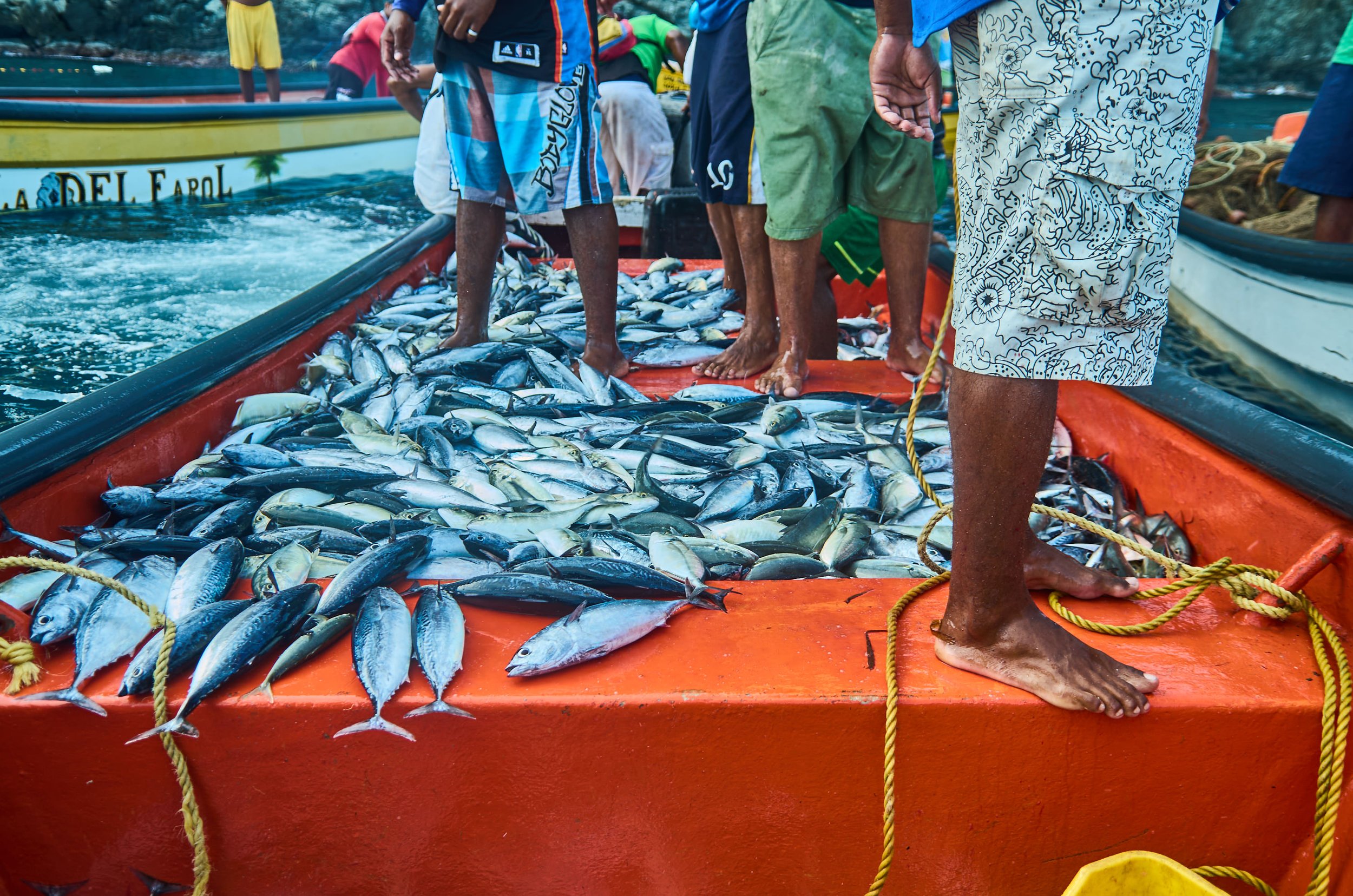
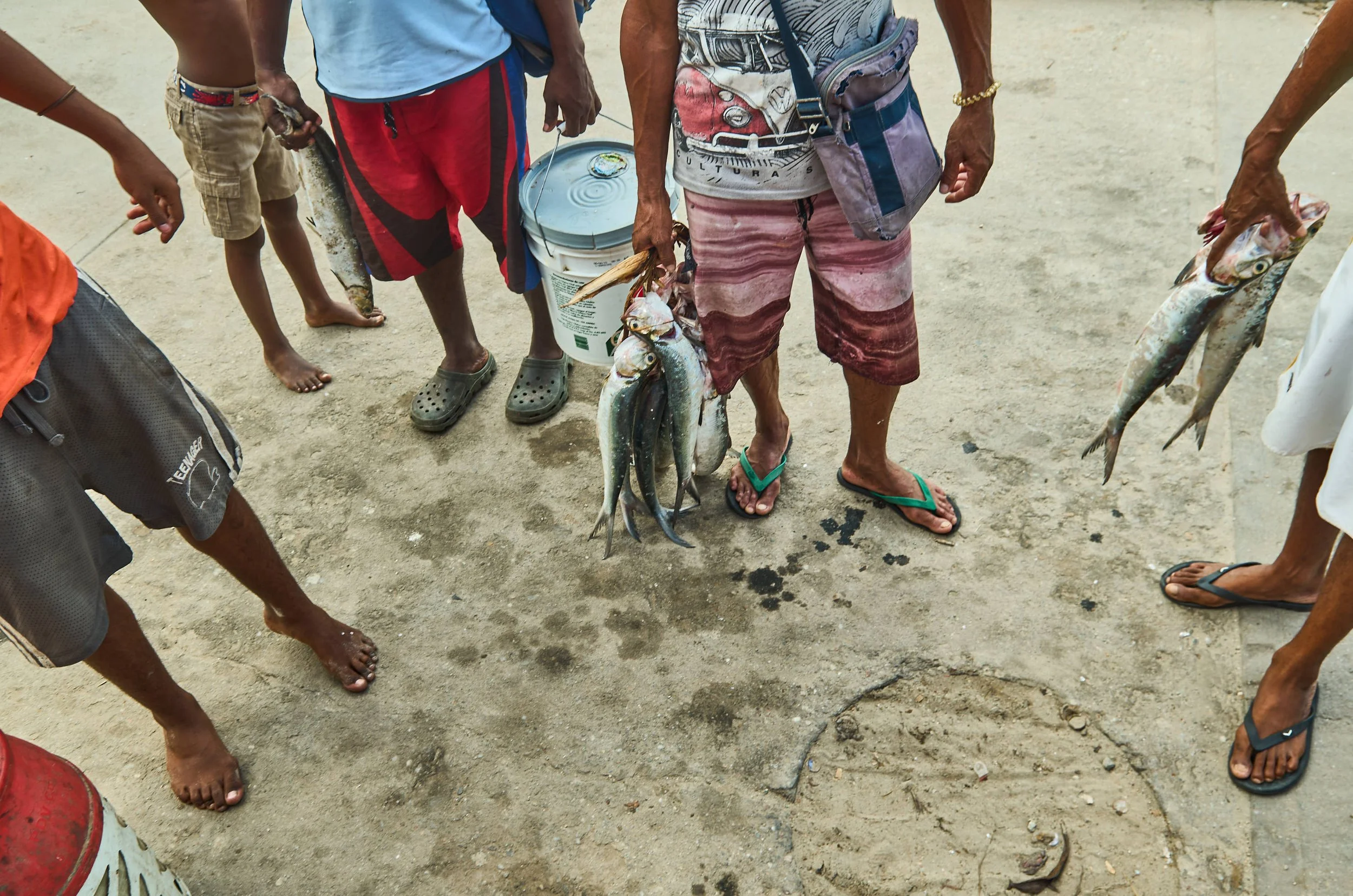
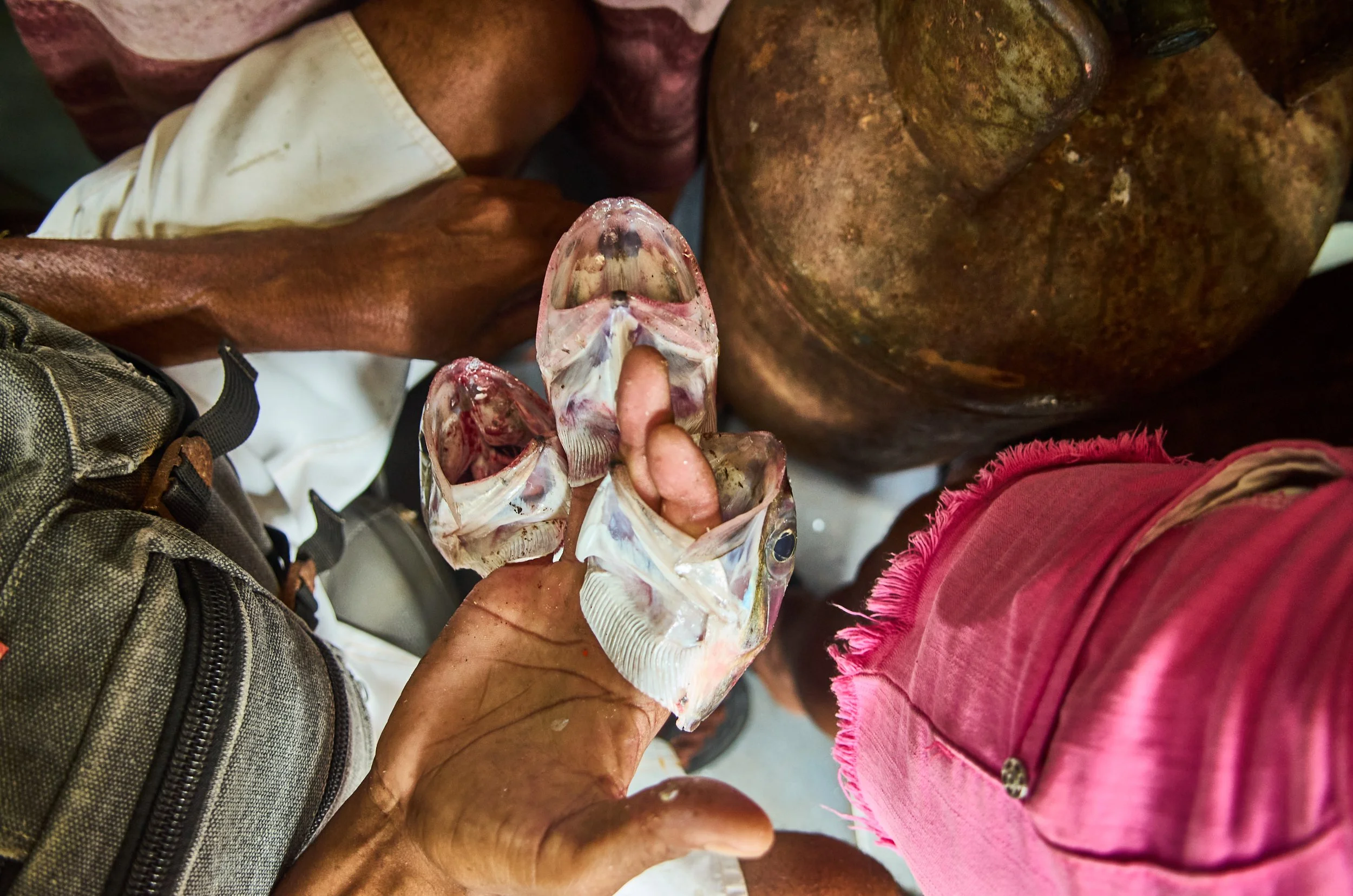
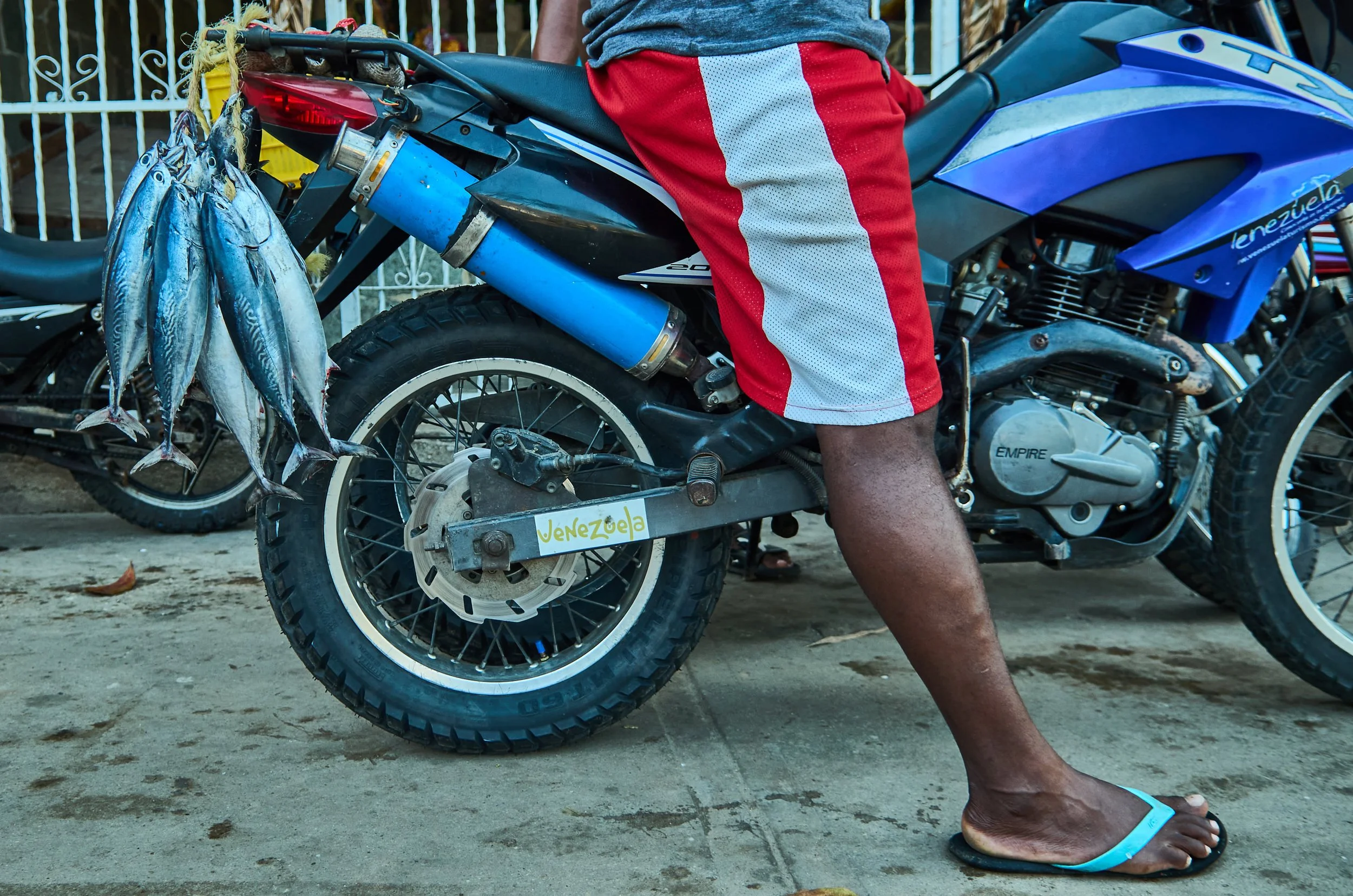
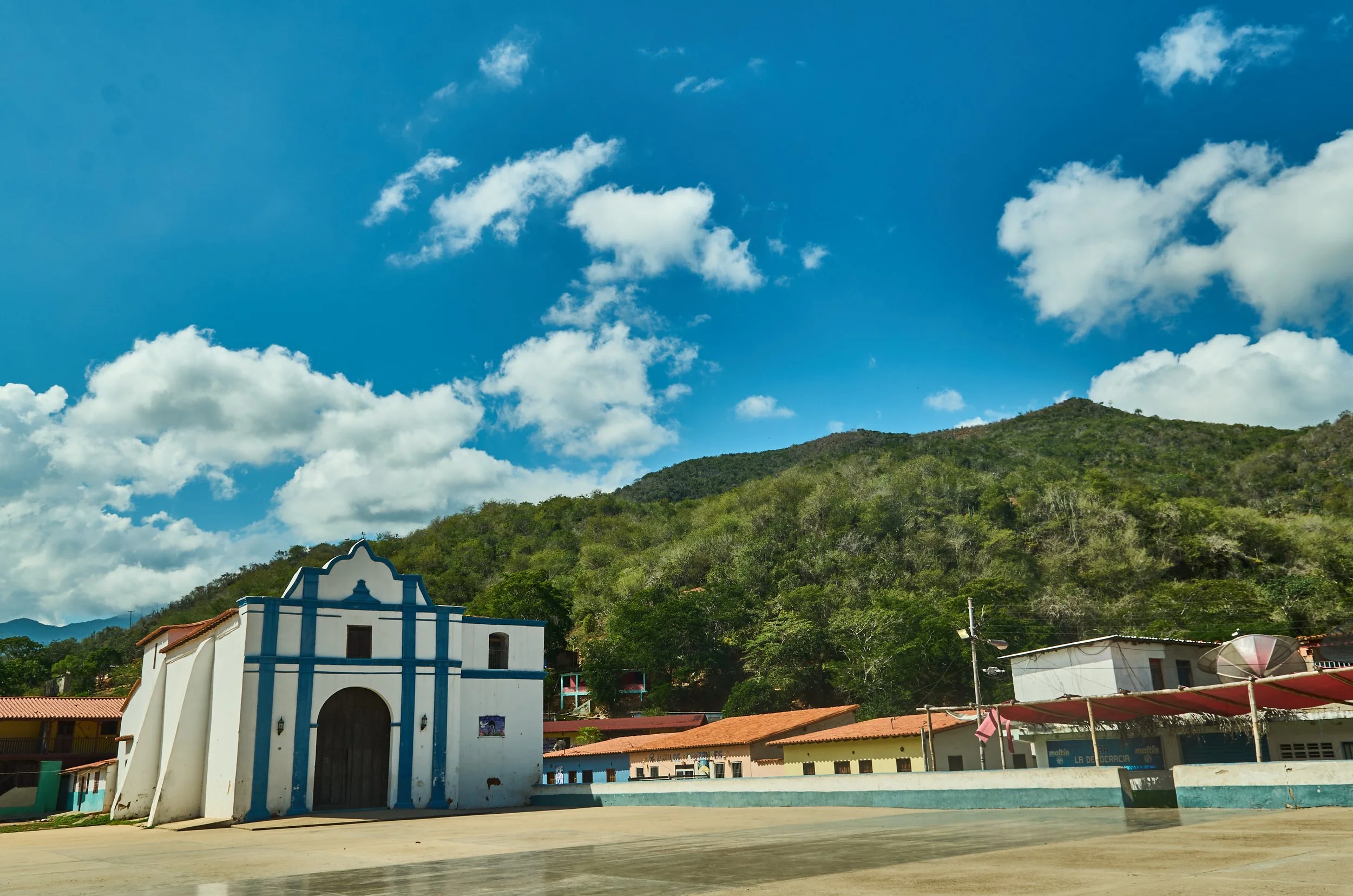
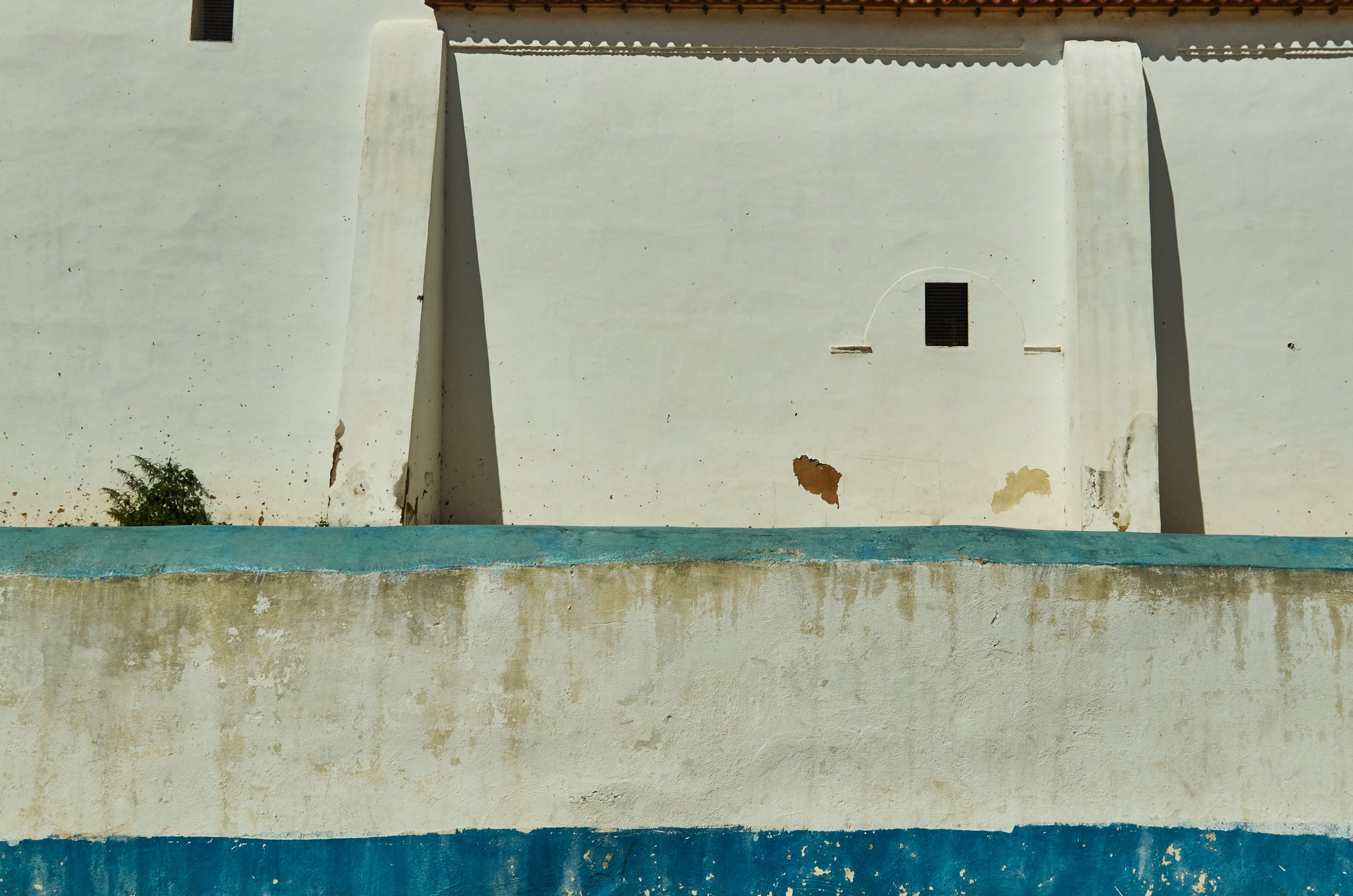
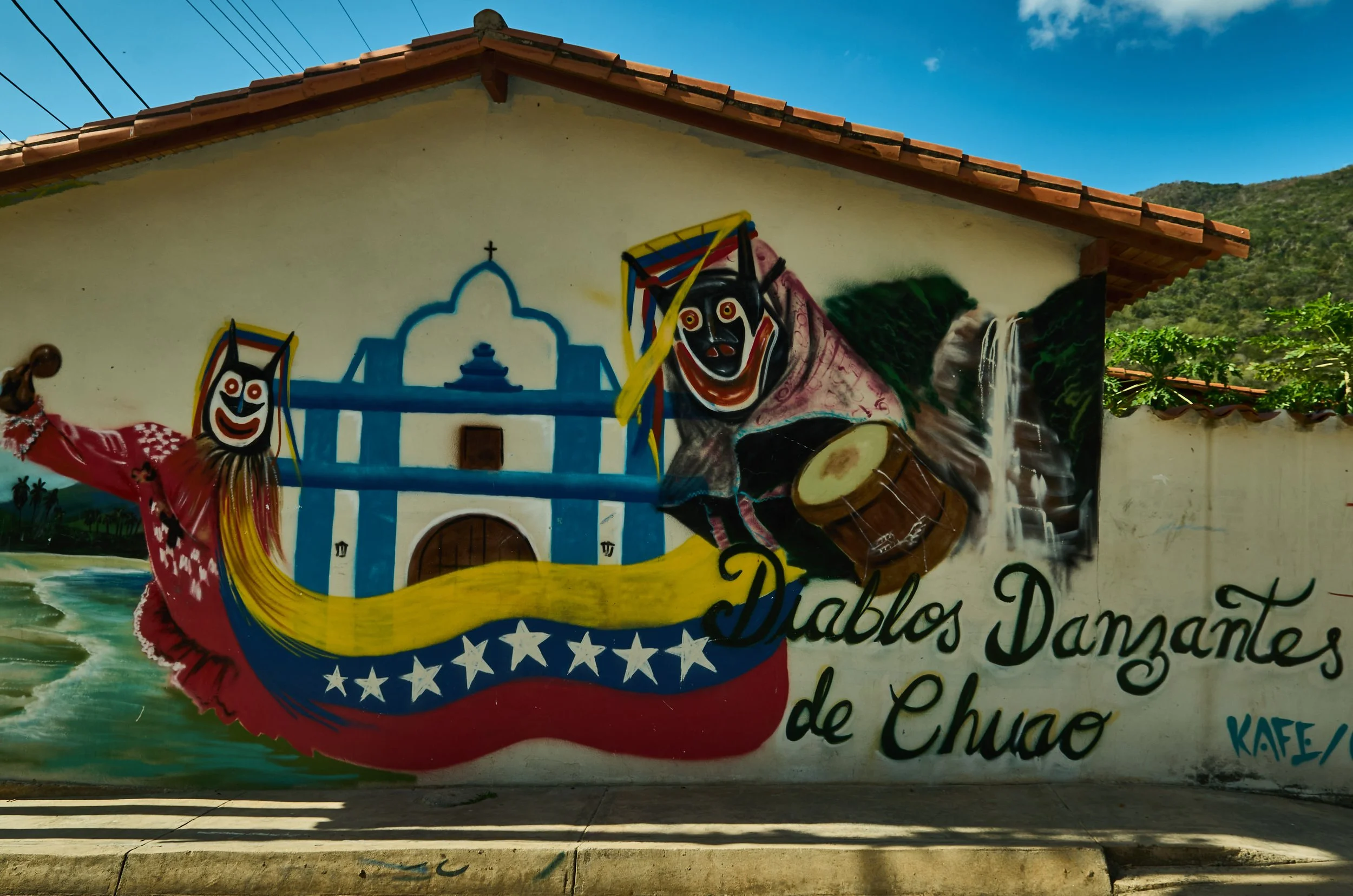
I took part in a documentary photography workshop in Chuao, a small village on Venezuela’s central coast, surrounded by jungle, mountains and the Caribbean Sea.
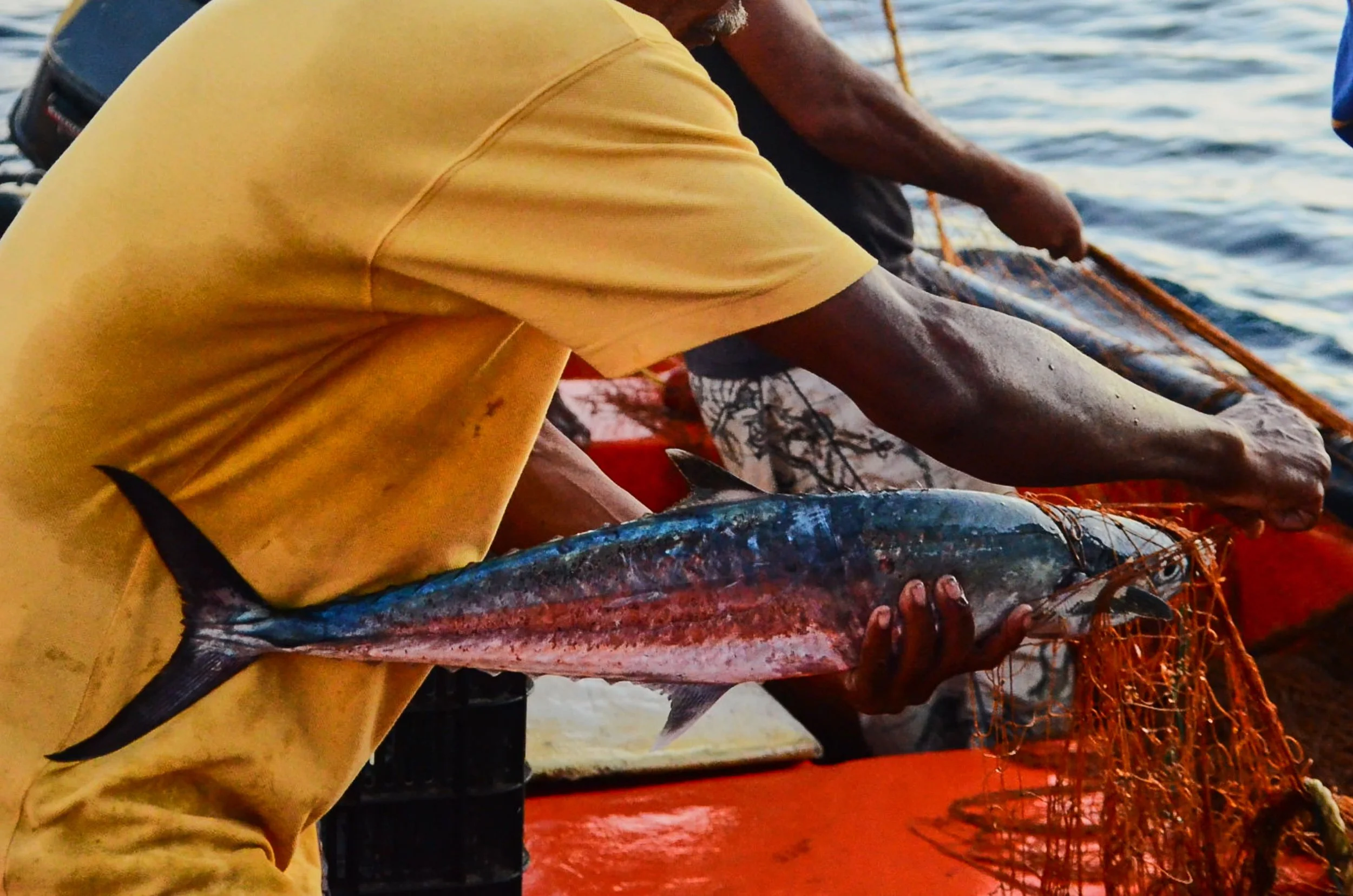
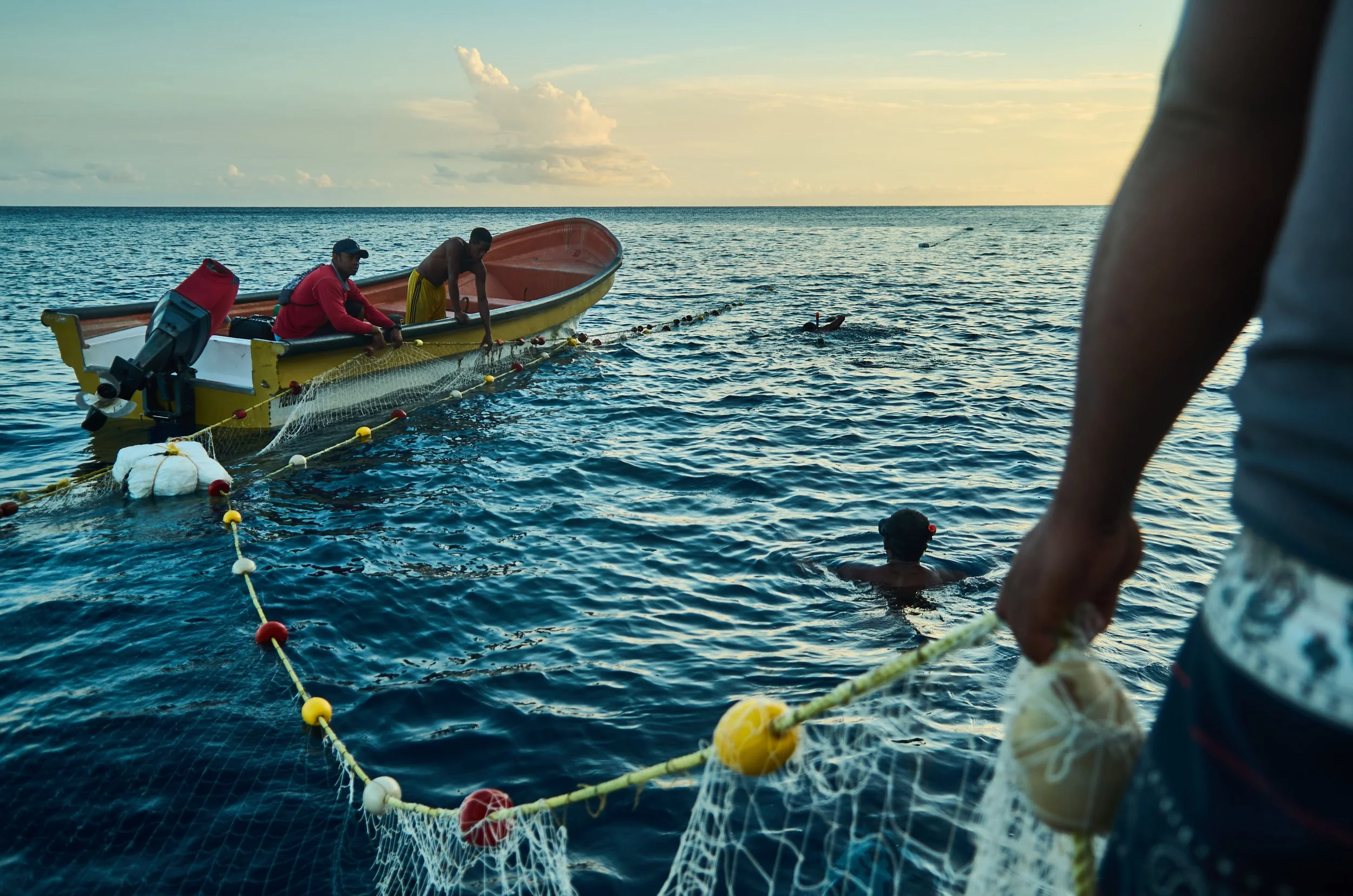
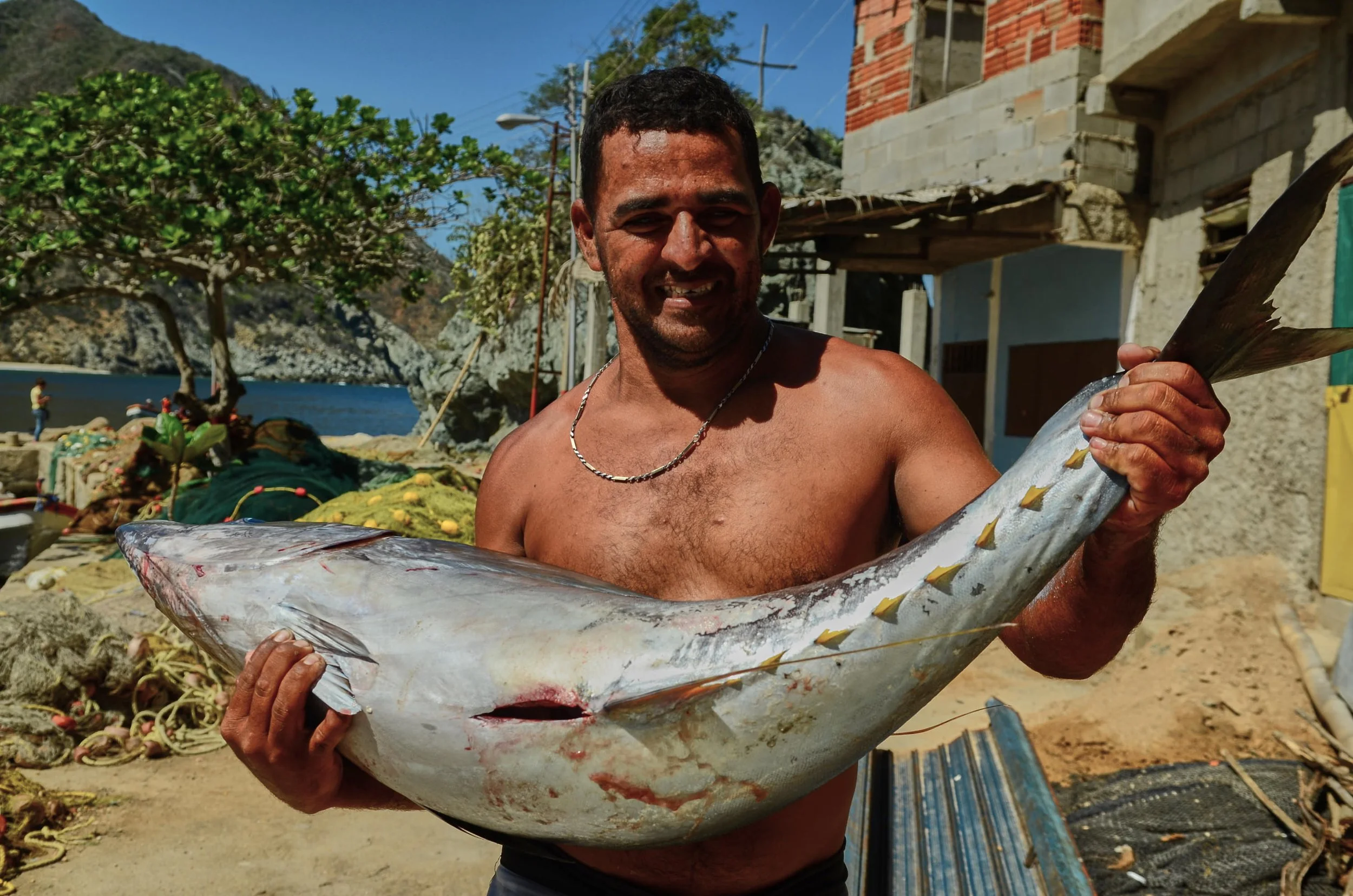
For three days, the goal was to document the lives of local fishermen and the process of artisanal fishing. For someone who, at the time, worked mainly as a wedding photographer, it was completely unfamiliar territory.
There were no celebrations, organized schedules or spaces prepared to be photographed. In Chuao, everything depended on the weather, the sea, the light and the rhythm of people who had spent their entire lives working in difficult conditions. That was precisely why the experience changed the way I approach every photographic project.
The Workshop Began During the Journey
Getting to Chuao was already part of the adventure.
I had to fly from Maracaibo to Maiquetía, take a car to Caracas and then continue by road with three friends to Maracay. From there, we crossed Henri Pittier National Park, climbing through winding roads, mist and dense vegetation before descending towards the Caribbean coast.
On the other side of the mountain lies Choroní. But there was still one final stage: boarding a small fishing boat and travelling across the Caribbean Sea for approximately one hour before reaching Chuao.
Plane, car, mountain and finally sea.
Without realizing it, the workshop had begun the moment I left my city. The logistics, the exhaustion and the uncertainty were already part of the exercise. The physical strain was beginning to show, and this was only the start.
Arriving in Chuao
We were welcomed by a humid, rainy and tropical climate, with mountains behind the village and the sea directly in front of us.
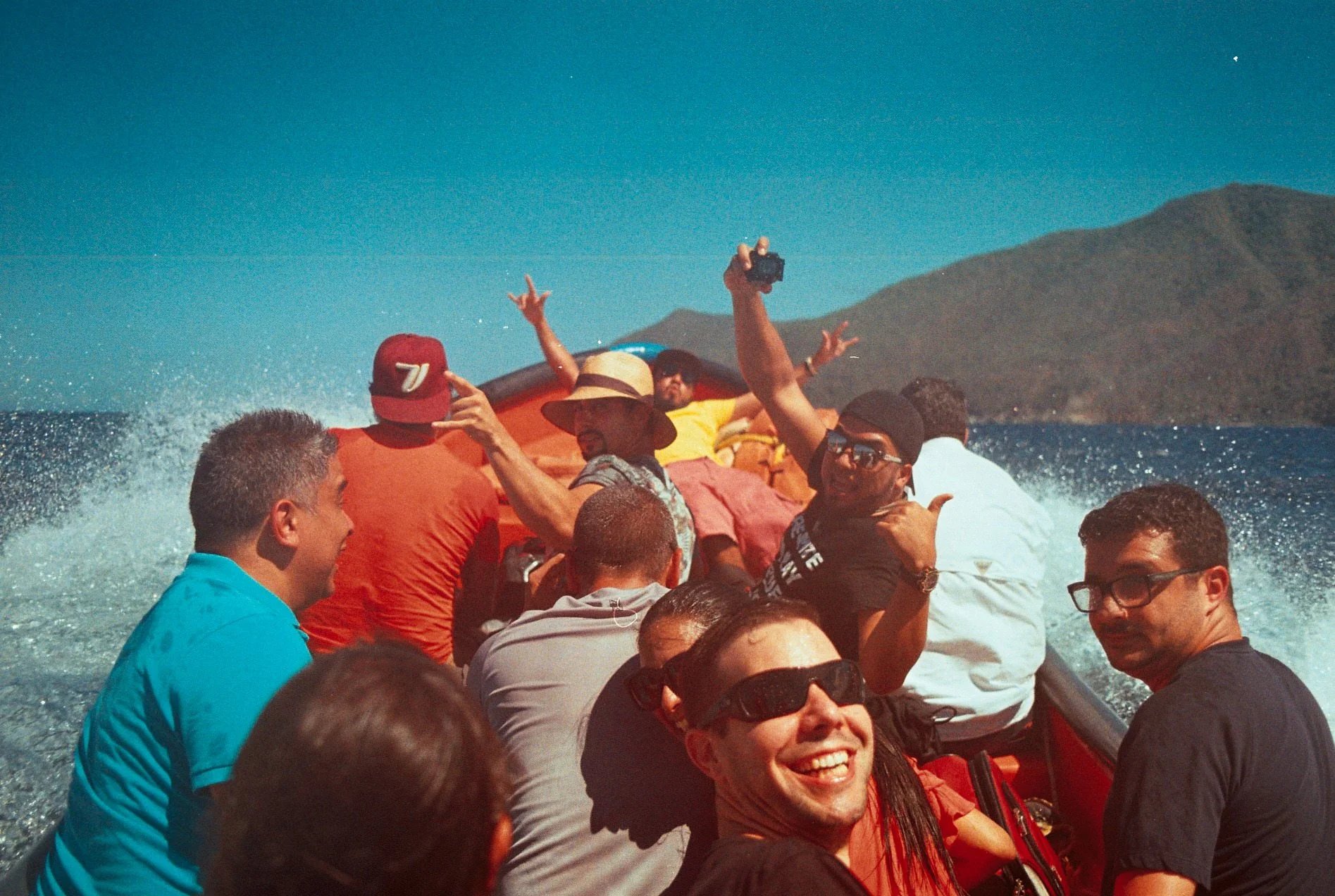
From Choroní to Chuao on Boat.
I was also welcomed by the local bacteria. After drinking a glass of guava juice, I spent a large part of the day running in and out of the bathroom. Fortunately, the village pharmacy had Enterogermina, which helped me manage the situation.
And that was only the arrival.
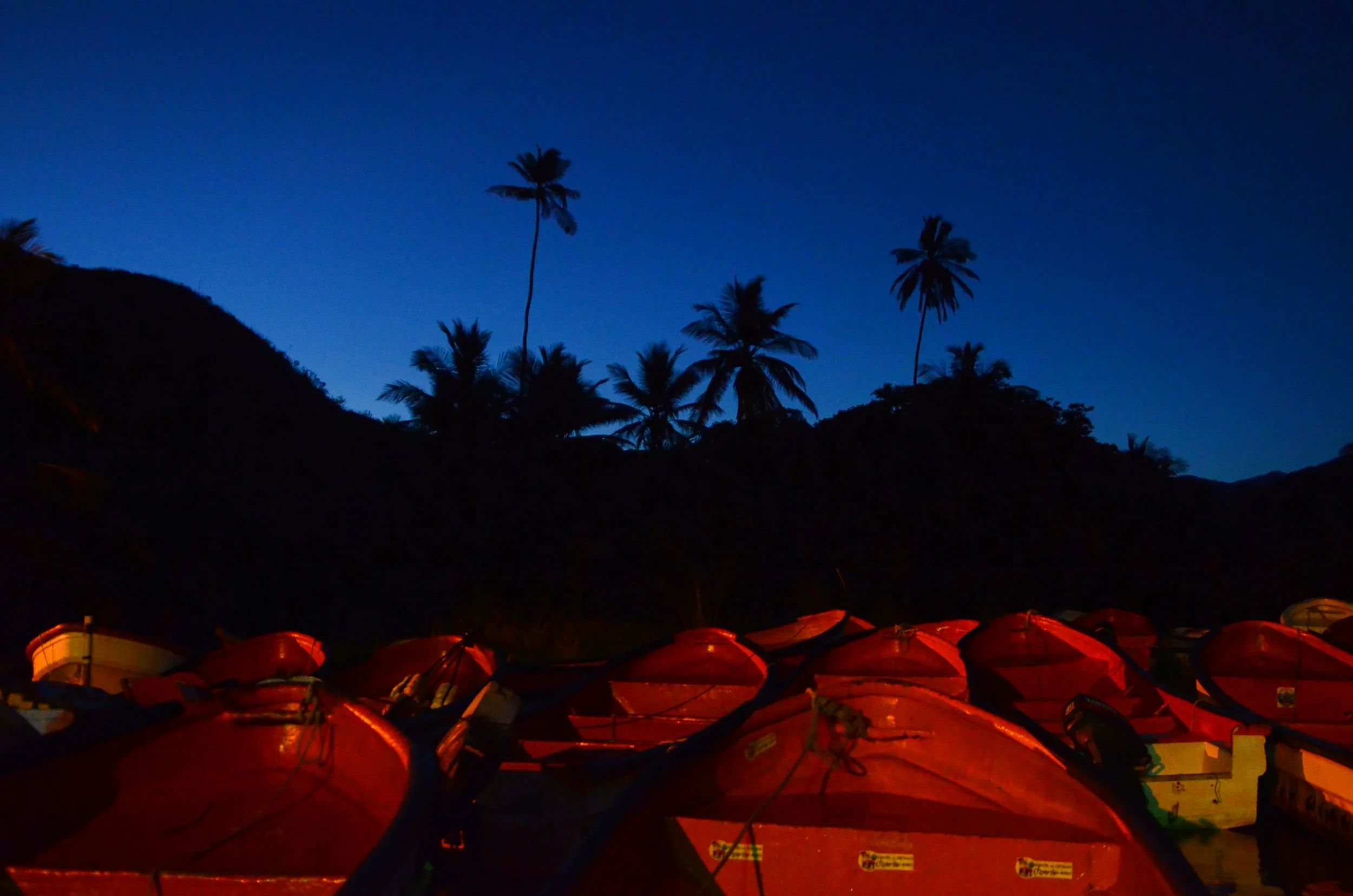
Chuao at 5am.
Then came the mosquitoes, so many mosquitoes, the heat and the nights without air conditioning, sleeping almost outdoors in a rural cabin.
At five in the morning, I had to wake up and walk the nearly three kilometres separating the village from the harbour. It was still dark when we began the journey, carrying our cameras through the exhaustion and humidity.
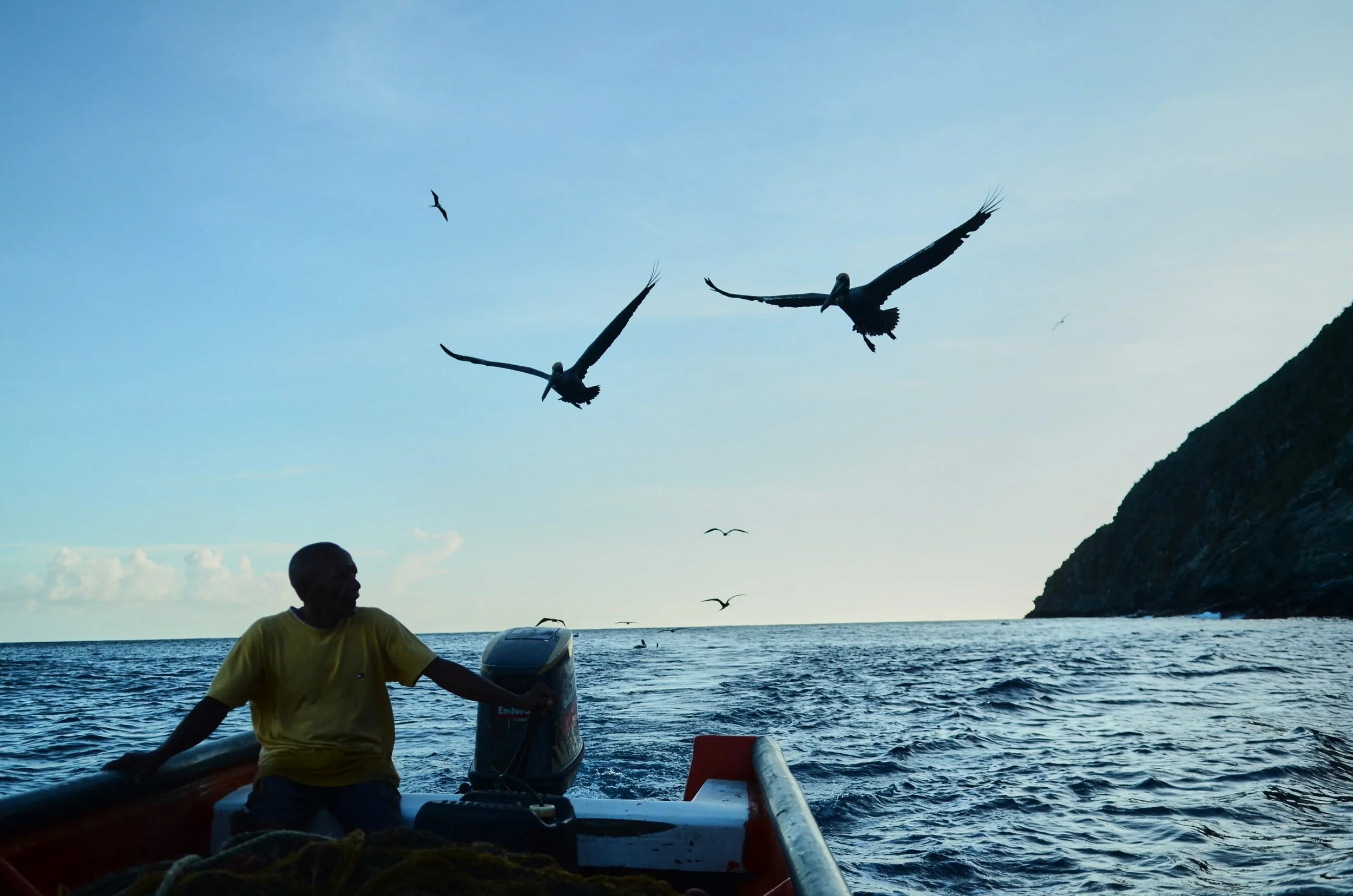
At half past five, we set sail with the fishermen.
Photographing at Sea
Watching the sunrise from that small boat was one of the most beautiful experiences of the entire trip. The mountains appeared to merge directly into the sea as the first light slowly revealed the landscape.
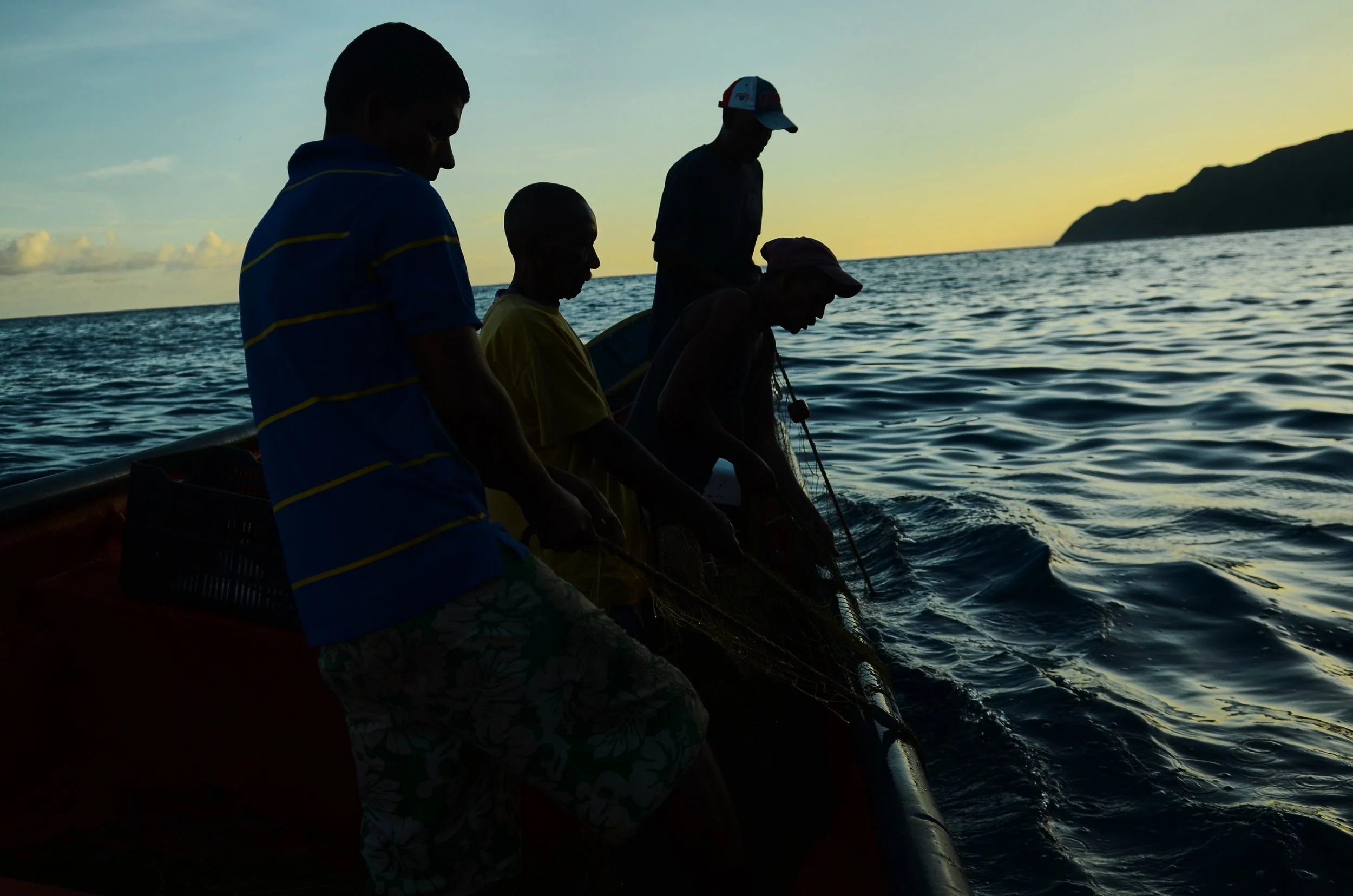
In front of us was also the work of the fishermen. Men who handled their boats, nets and the behaviour of the sea with a precision built through years of experience.
They knew how to interpret the weather, the movement of the water and signals that were completely invisible to us. Every gesture had a purpose. More than fishermen, they seemed like true craftsmen.
My job was to observe them and turn that process into a visual story. It was not only about photographing the action, but also the hands, gestures, effort, waiting and the relationship between the fishermen and their environment.
The romantic part ended when I tried to work from the boat.
The vessel moved in every possible direction. Each time I raised the camera to my eye, I lost sight of the horizon and the seasickness became worse. Between the heat, exhaustion and constant motion of the sea, it did not take long before I vomited for the first time.
And on top of all that, I still had to make good photographs.
The fishermen were not going to stop because I needed to rest. The sea was not going to become still to make framing easier. The scenes continued to unfold, and the photographs had to be there.
That was when I understood the true purpose of the workshop.
It was not only about learning composition or documentary storytelling. The real challenge was to continue observing and working when the conditions were against me. To control the mind so that everything happening outside did not completely dominate what was happening within.
Learning to Work Without Controlling Everything
Until then, much of my professional experience had been connected to wedding photography. Although a wedding can be unpredictable, there is still a certain structure: schedules, defined locations and a sequence of moments that can be anticipated.
In Chuao, I could not control the weather, the movement of the boat, the direction of the light or the rhythm of the fishermen. I could not ask them to repeat an action or move into a more favourable position.
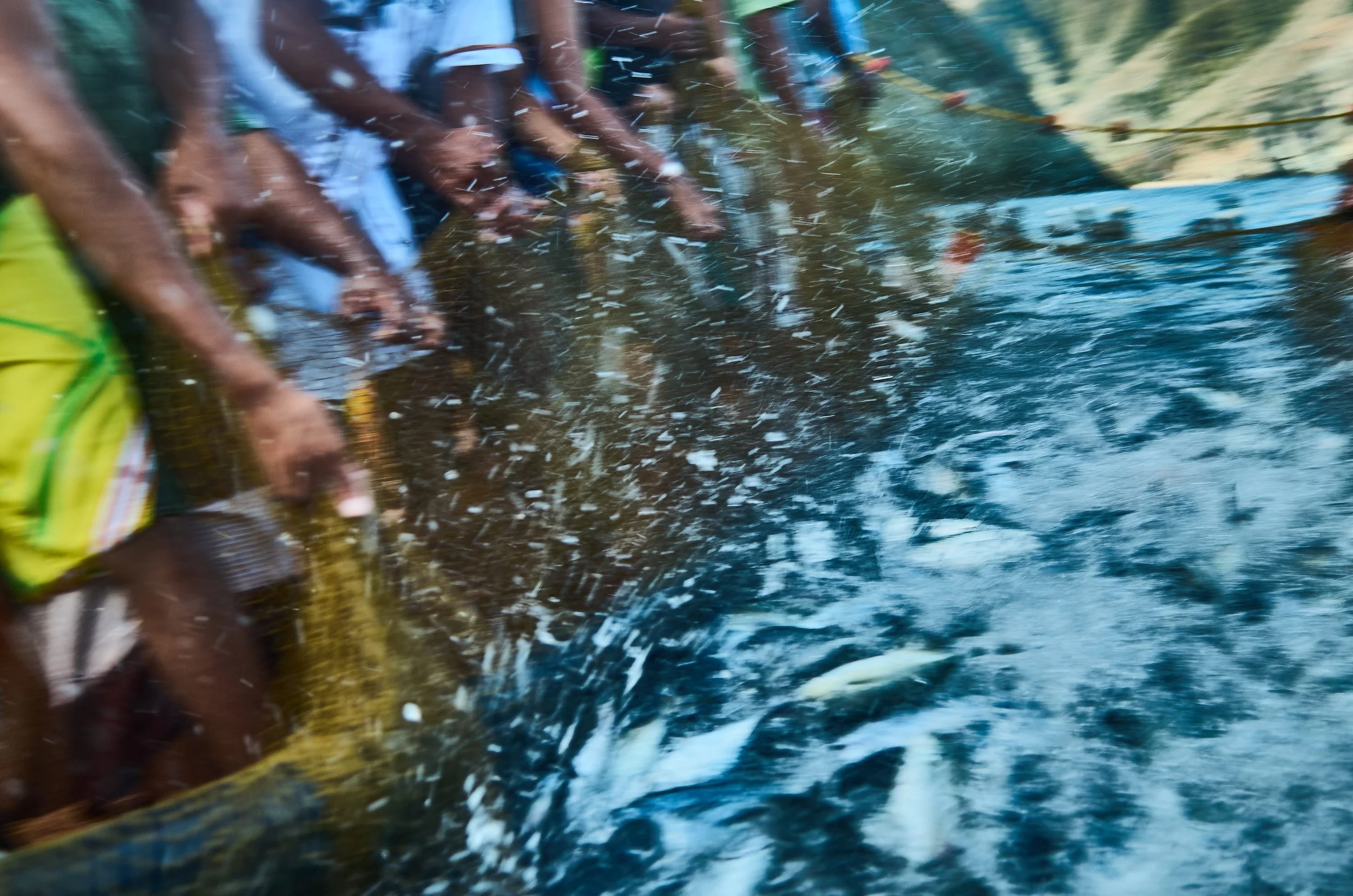
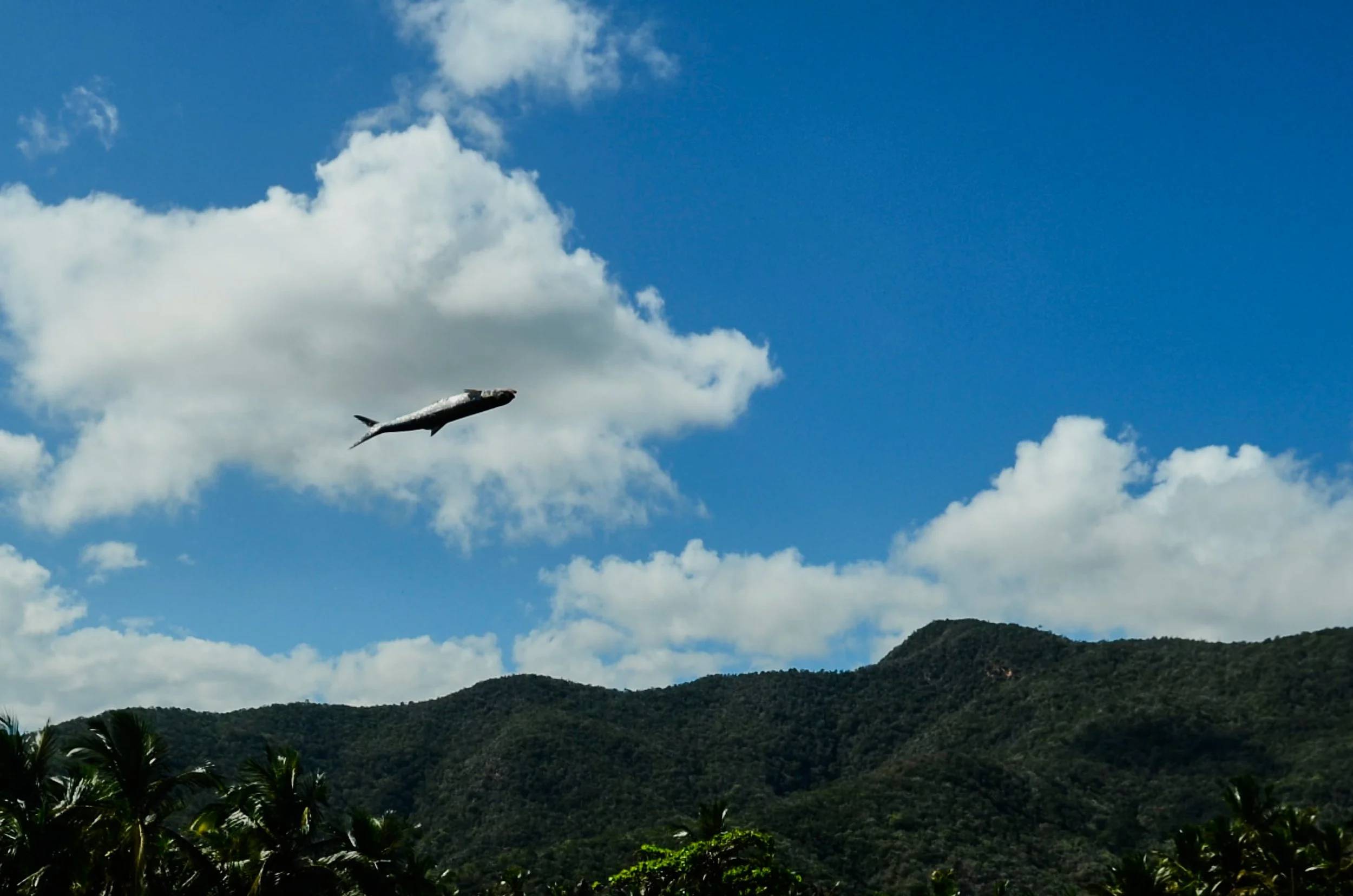
Finding beauty within chaos.
I had to observe, adapt and react.
The workshop forced me to abandon any sense of control and trust my intuition much more. It taught me that documentary photography exists within uncertainty and that, often, the work is simply about being ready when something happens, even when we do not know exactly what that will be.
Over time, I understood that this lesson could also be applied to weddings, street photography and any other kind of project. Every situation requires a different way of looking, but all of them demand presence, attention and the ability to react.
Photography as a State of Mind
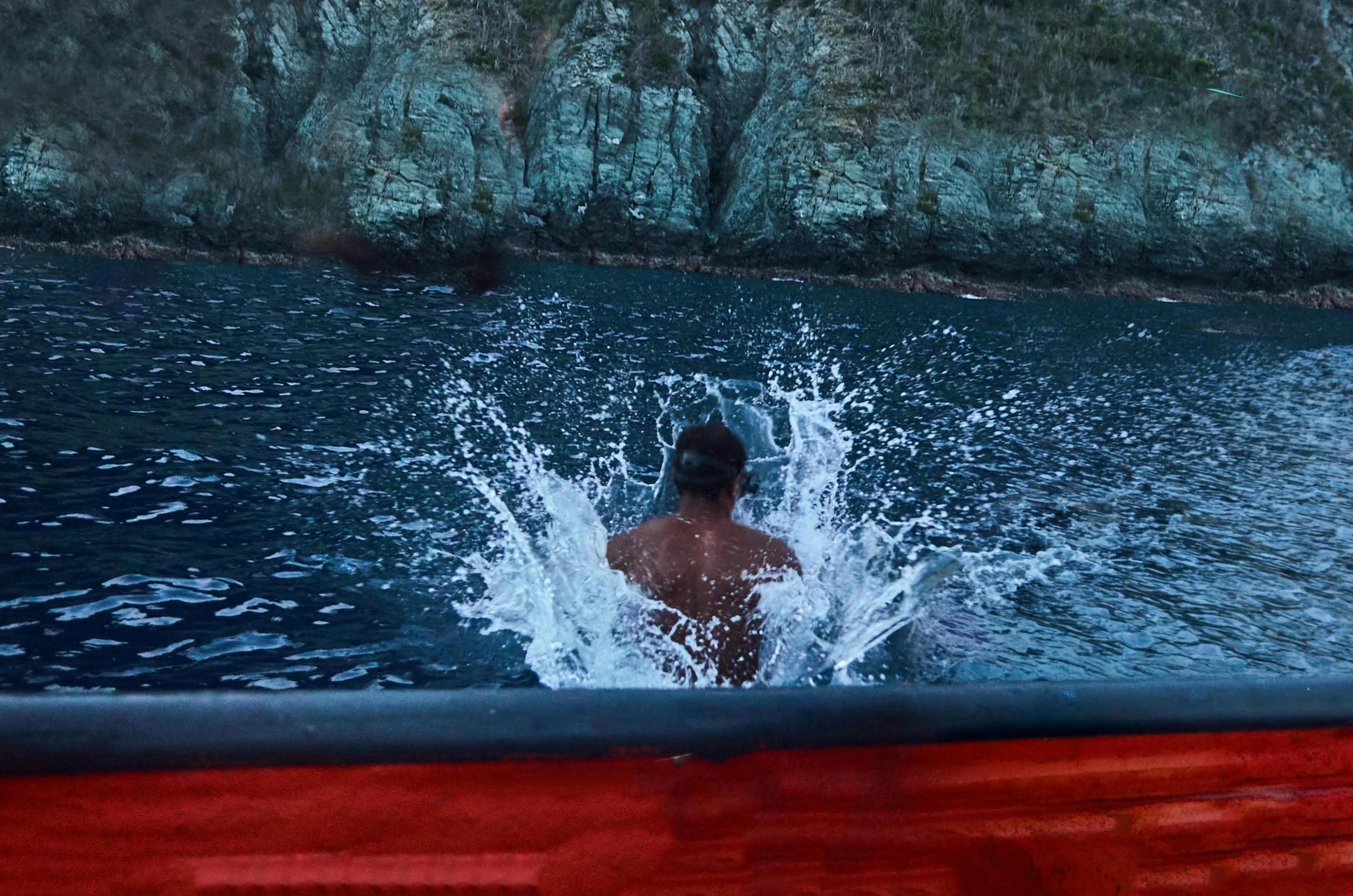
During those three days, I met extraordinary photographers and people with an immense sense of humanity. We shared long walks, exhaustion, conversations, swims in the river and moments with the people of the village.
We also disconnected almost completely from the outside world. For three days, the universe was reduced to walking, observing, photographing, resting and beginning again.
It was a kind of reset.
Chuao taught me that photography does not begin when we raise the camera to our eye. It begins much earlier: during the journey, in the exhaustion, in the uncertainty and in the way we choose to relate to whatever we find in front of us.
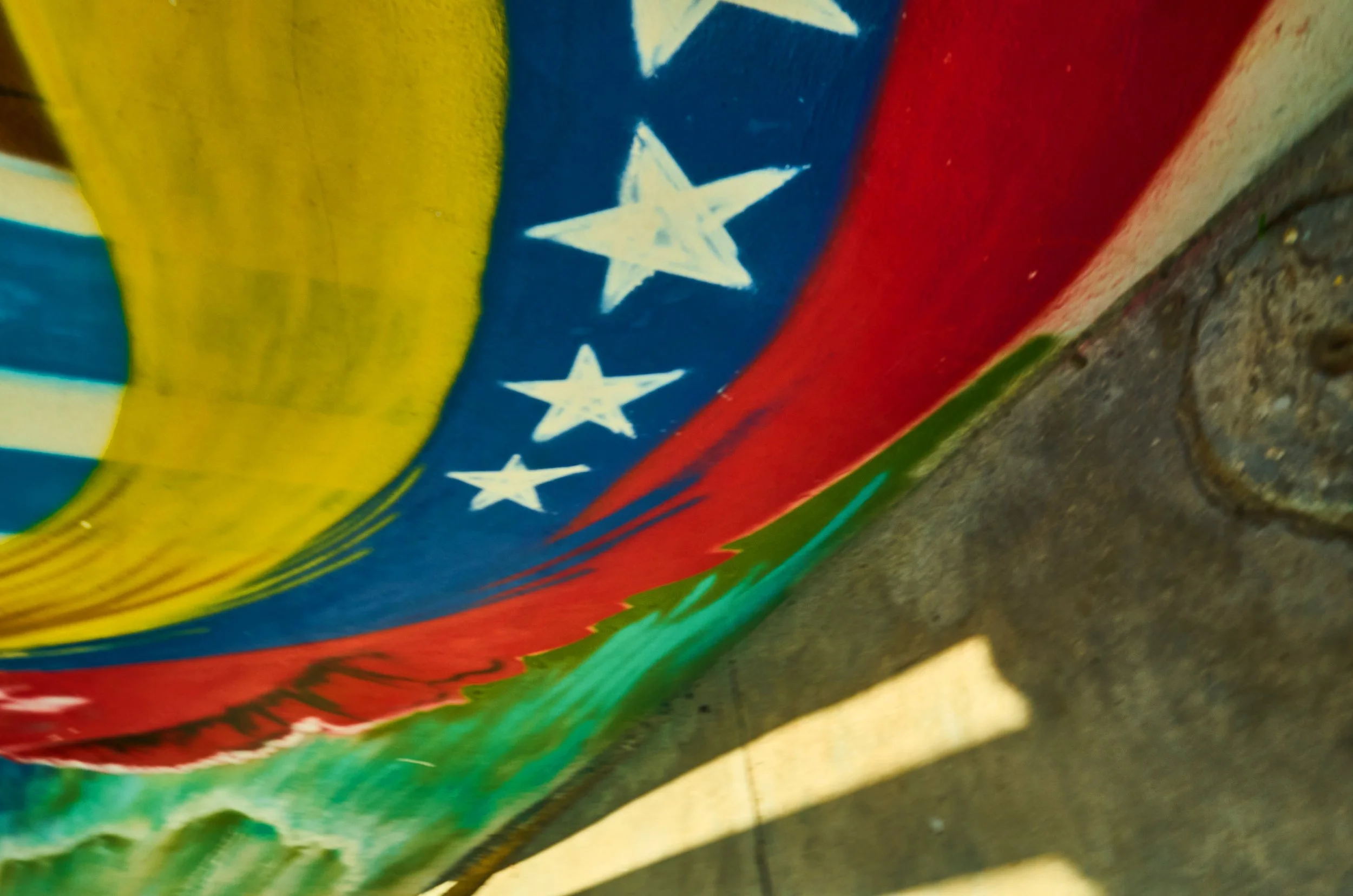
Since then, I have understood photography as a state of mind, a way of remaining attentive and present, regardless of the place or circumstances.
It does not matter whether I am photographing a wedding, walking through Madrid or standing inside a small fishing boat in the middle of the Caribbean. The exercise remains the same: observe what is happening, control the inner noise and be ready when the image appears.
Ten years later, I still carry the lessons I learned in Chuao. The photographs were the visible result of the workshop, but the true lesson was discovering a different way of being in the world with a camera.