Learning to Read the Night Two Years Photographing Medellín After Dark
I I emigrated to Medellín to escape Venezuela in late July 2017. Nobody knew me, nobody knew my work, and finding a job as a photographer was harder than I expected.
Six months later, while photographing a Venezuelan influencer, I met the marketing manager of Grupo Triada. They were looking for a photographer and offered me a trial.
That night, I photographed a group of guys raising their glasses across the room.
“Did you ask them to do that?”
No. I had simply seen it happening.
That photograph got me the job.
I thought I had been hired to photograph one bar. There were ten venues: restaurants, nightclubs and small bars scattered around Medellín.
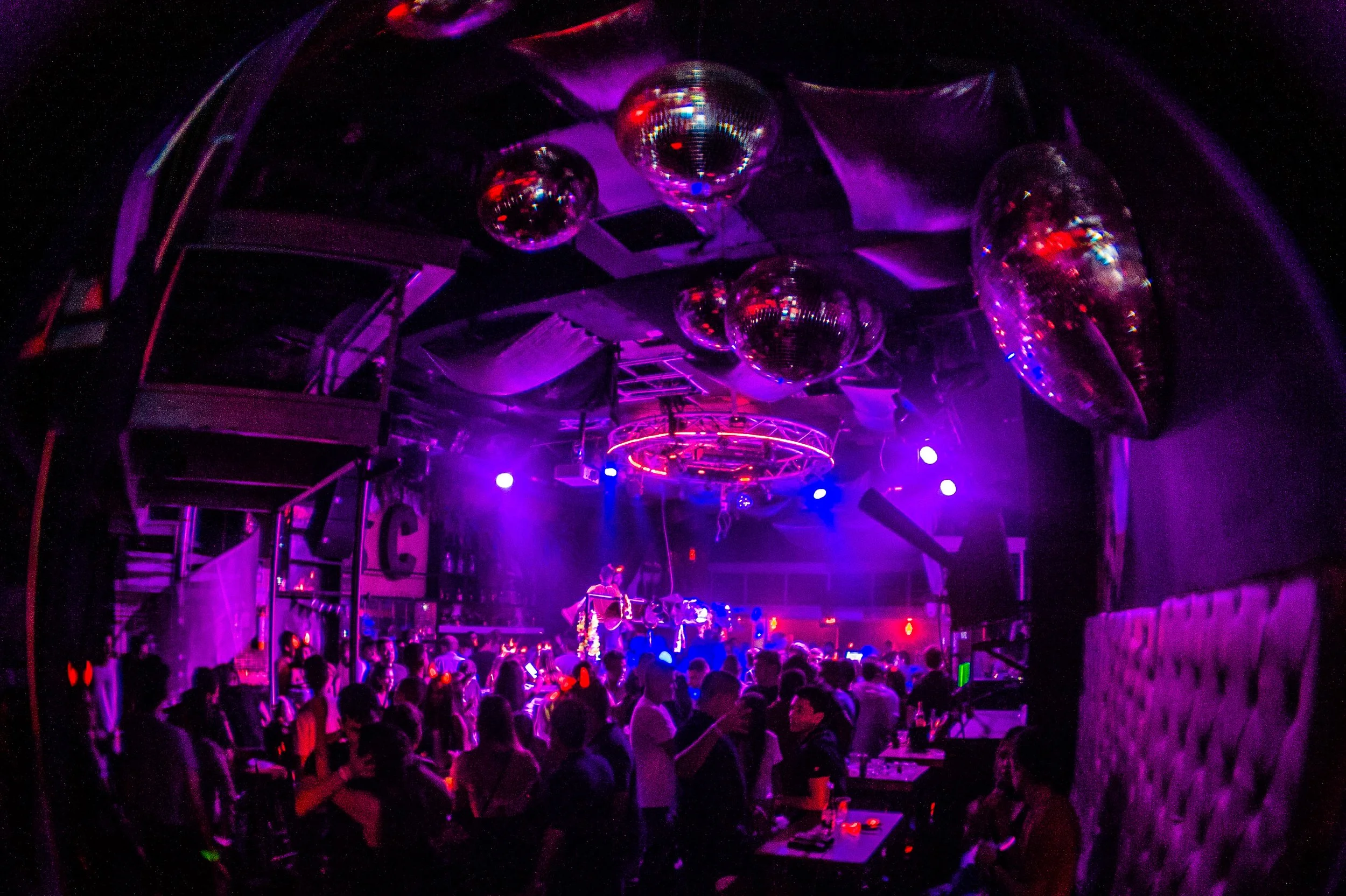
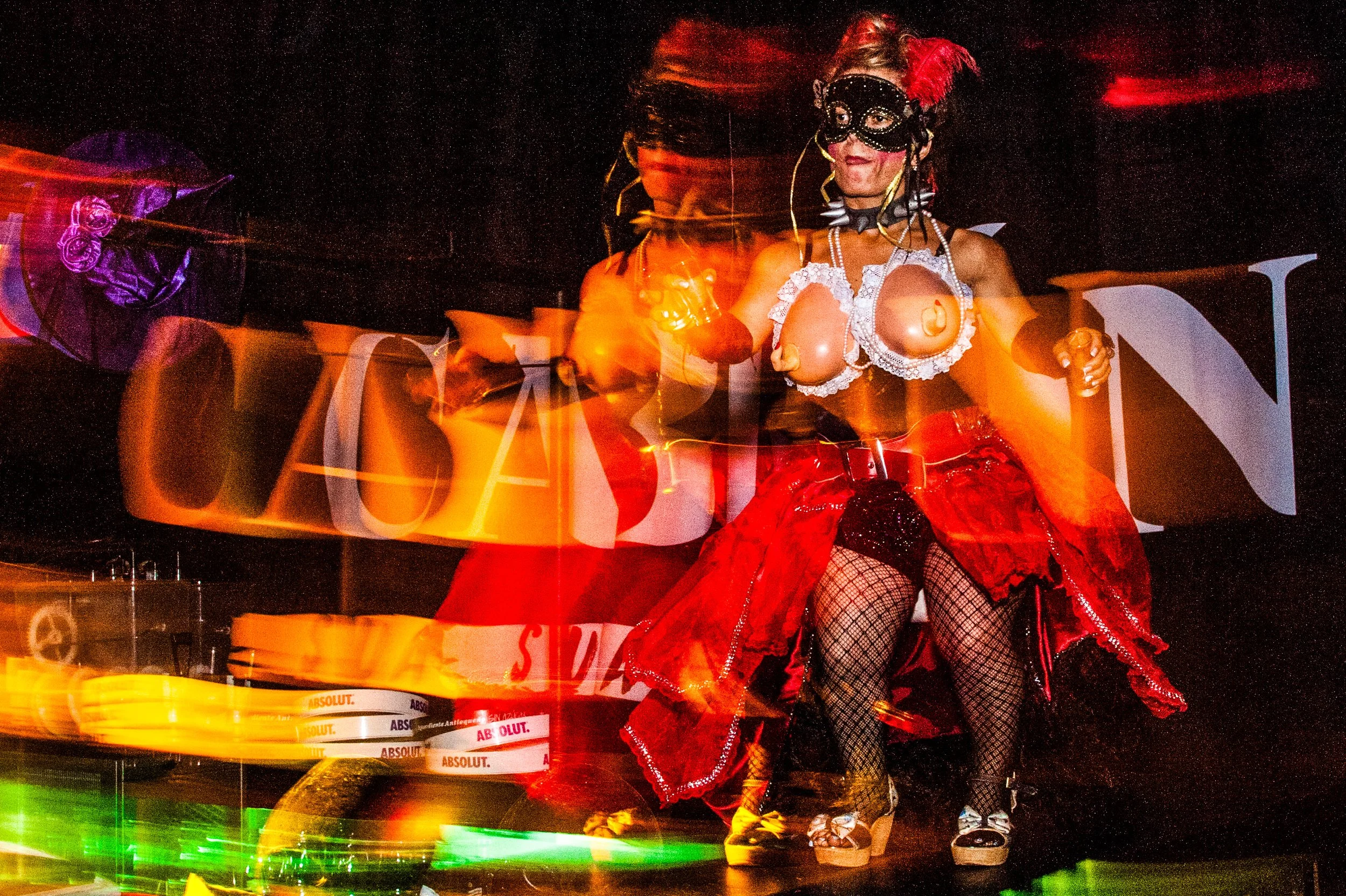
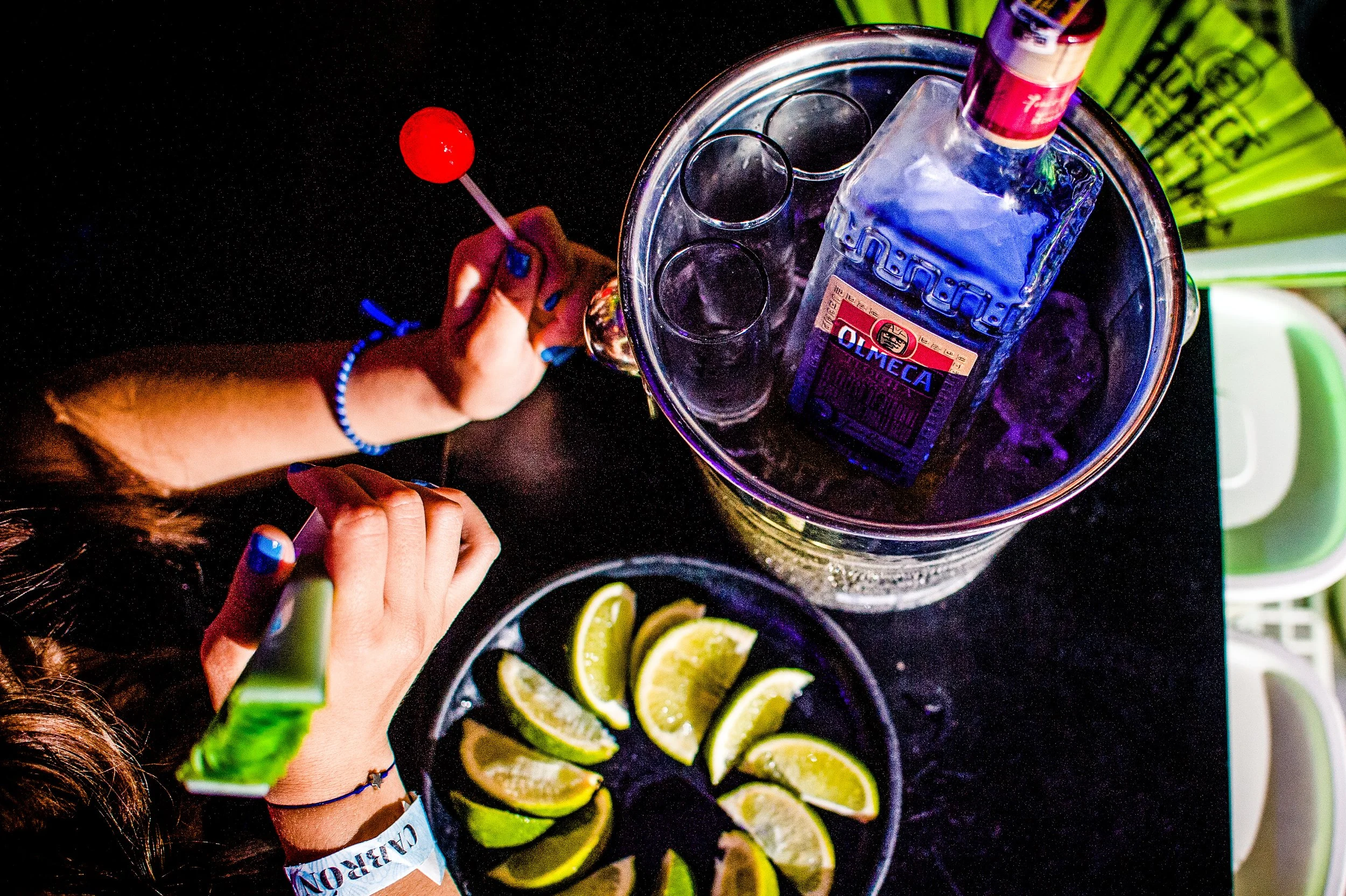
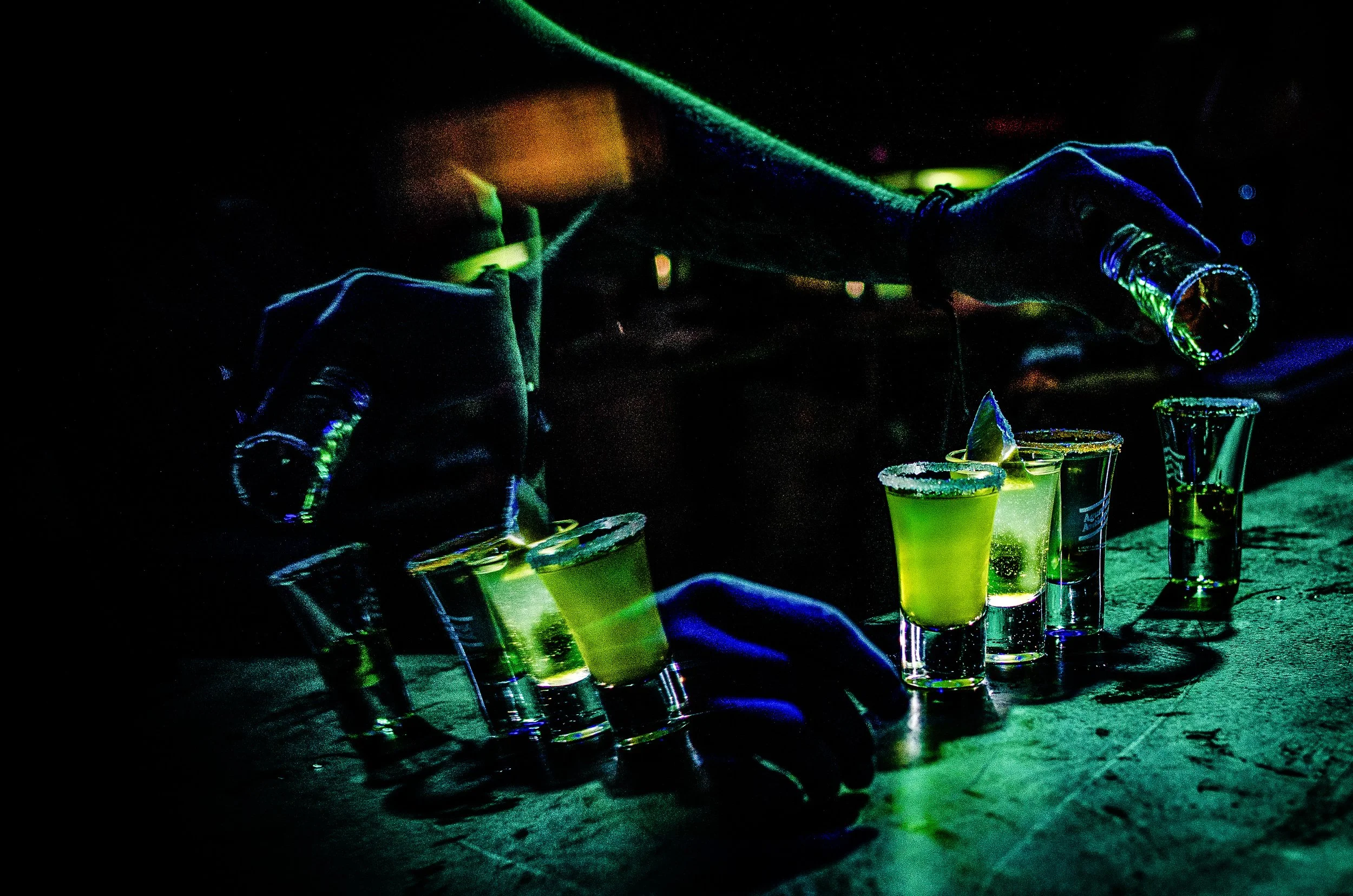
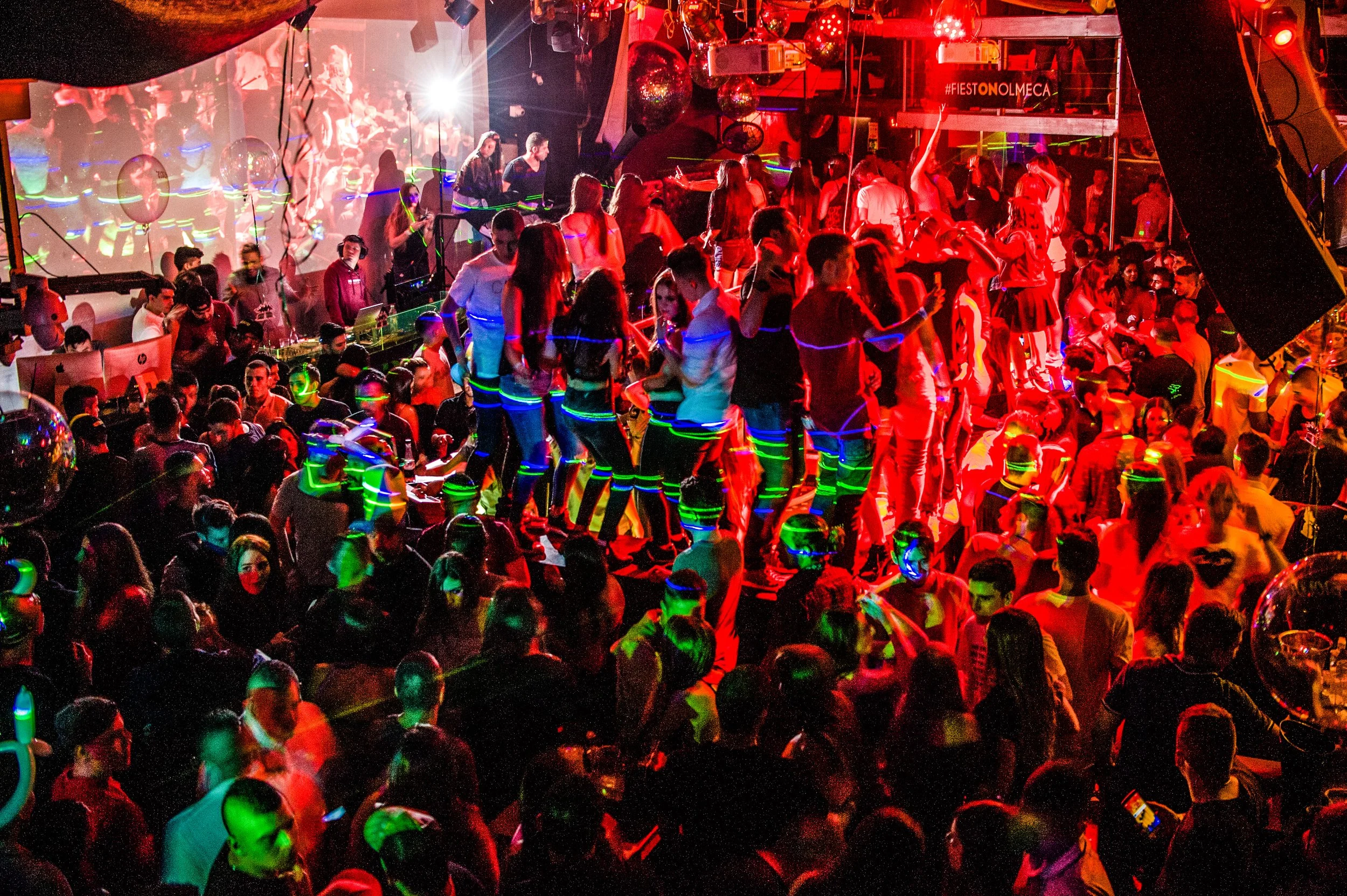
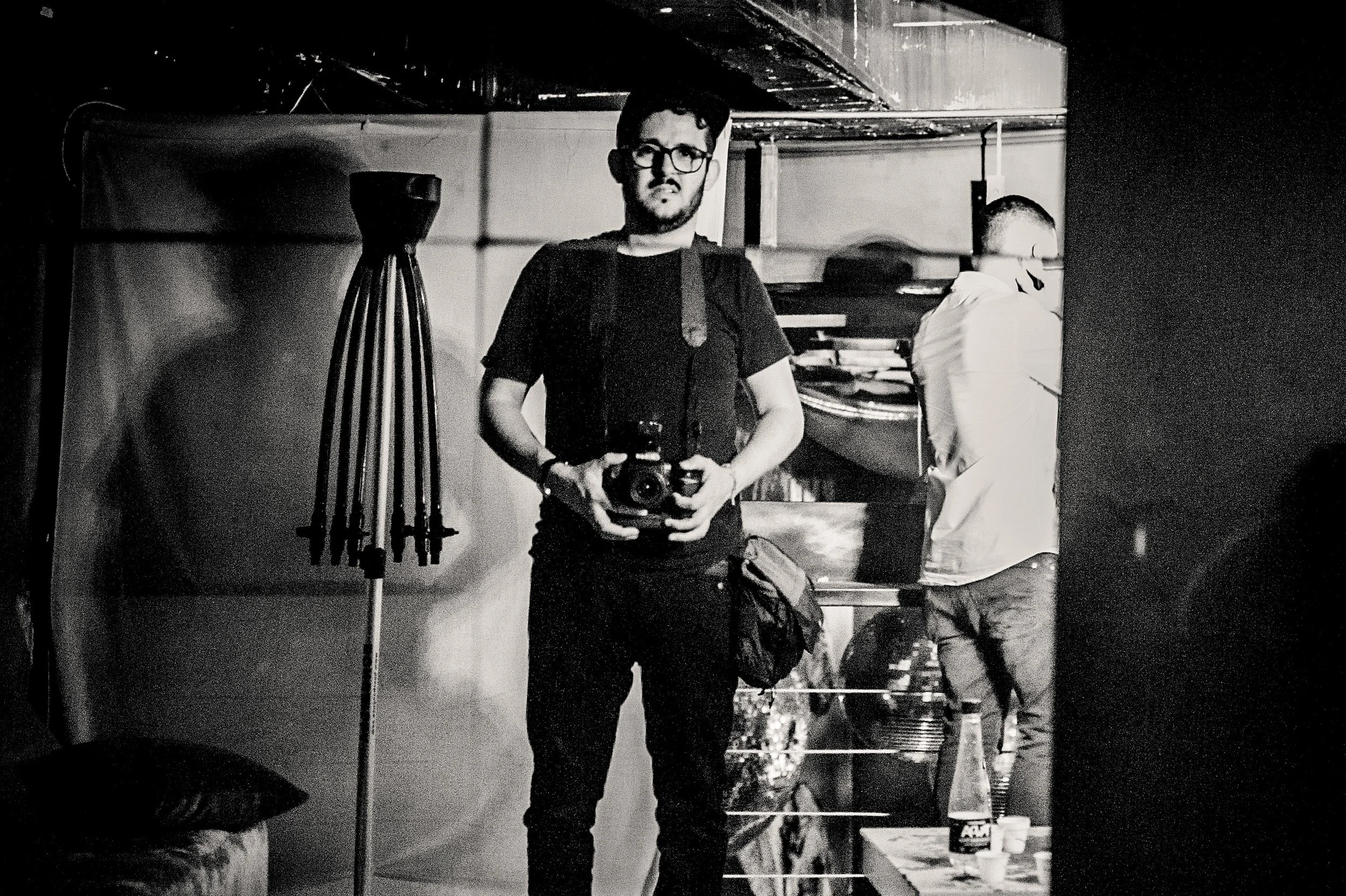
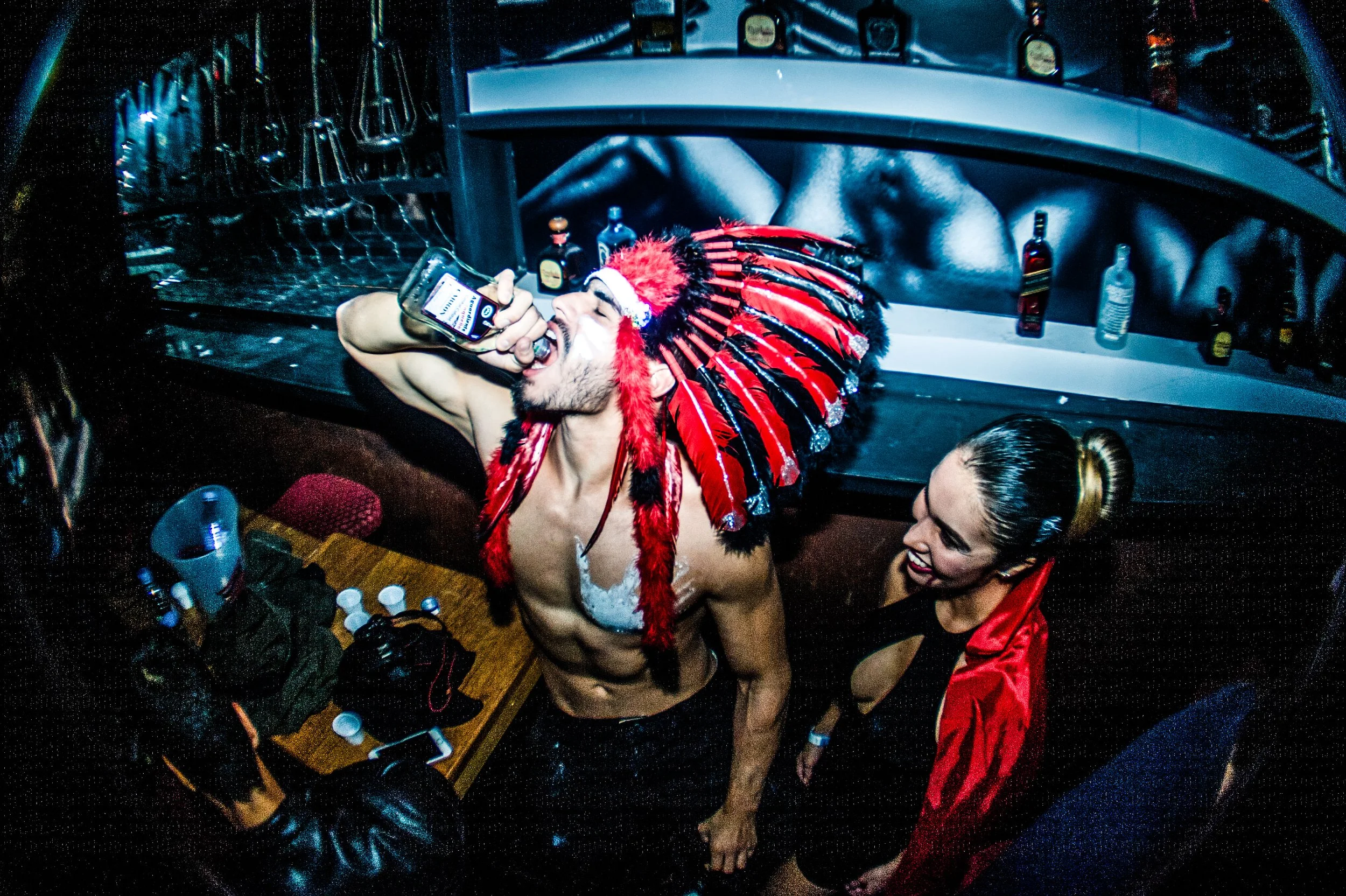
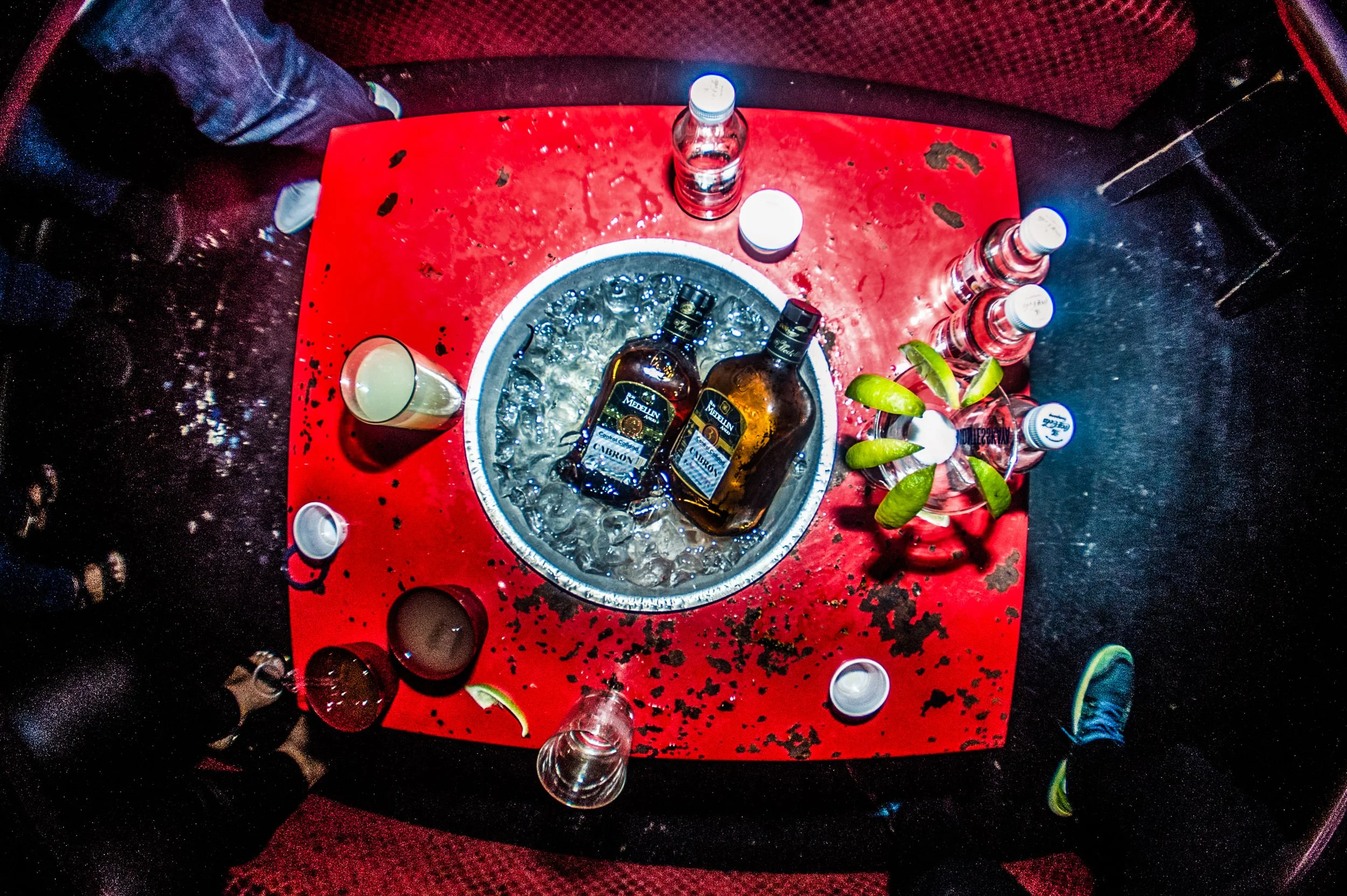
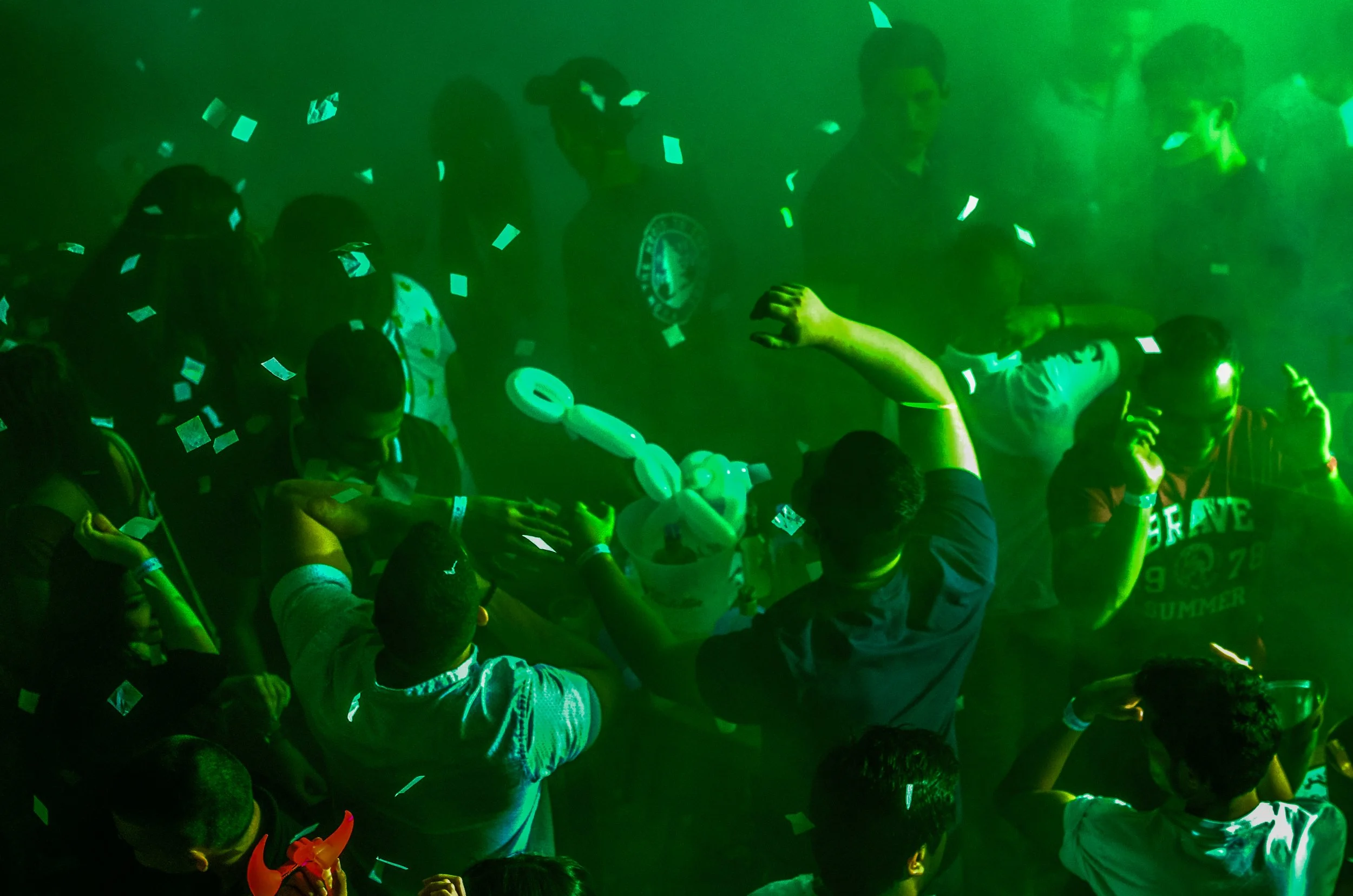
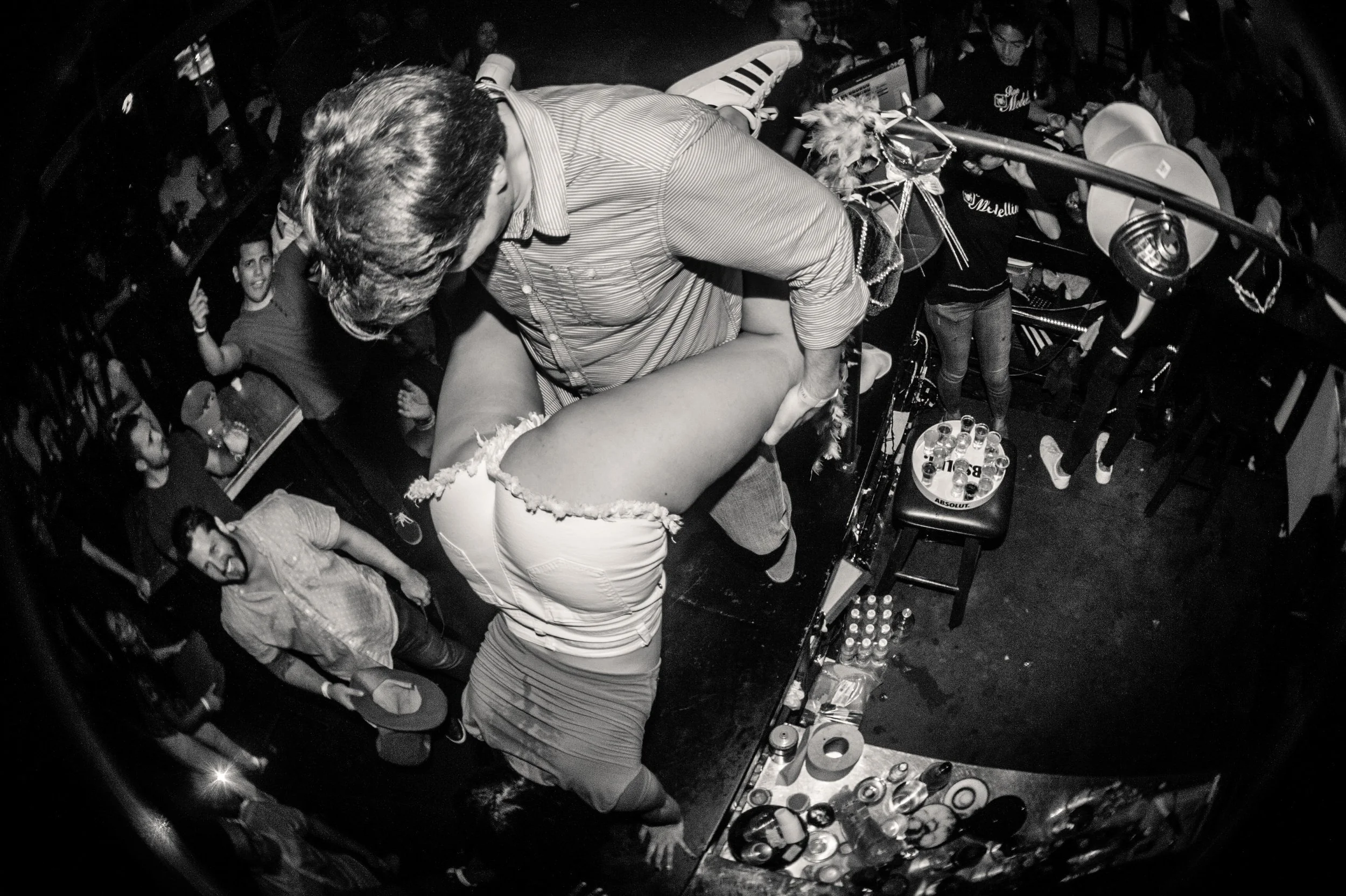
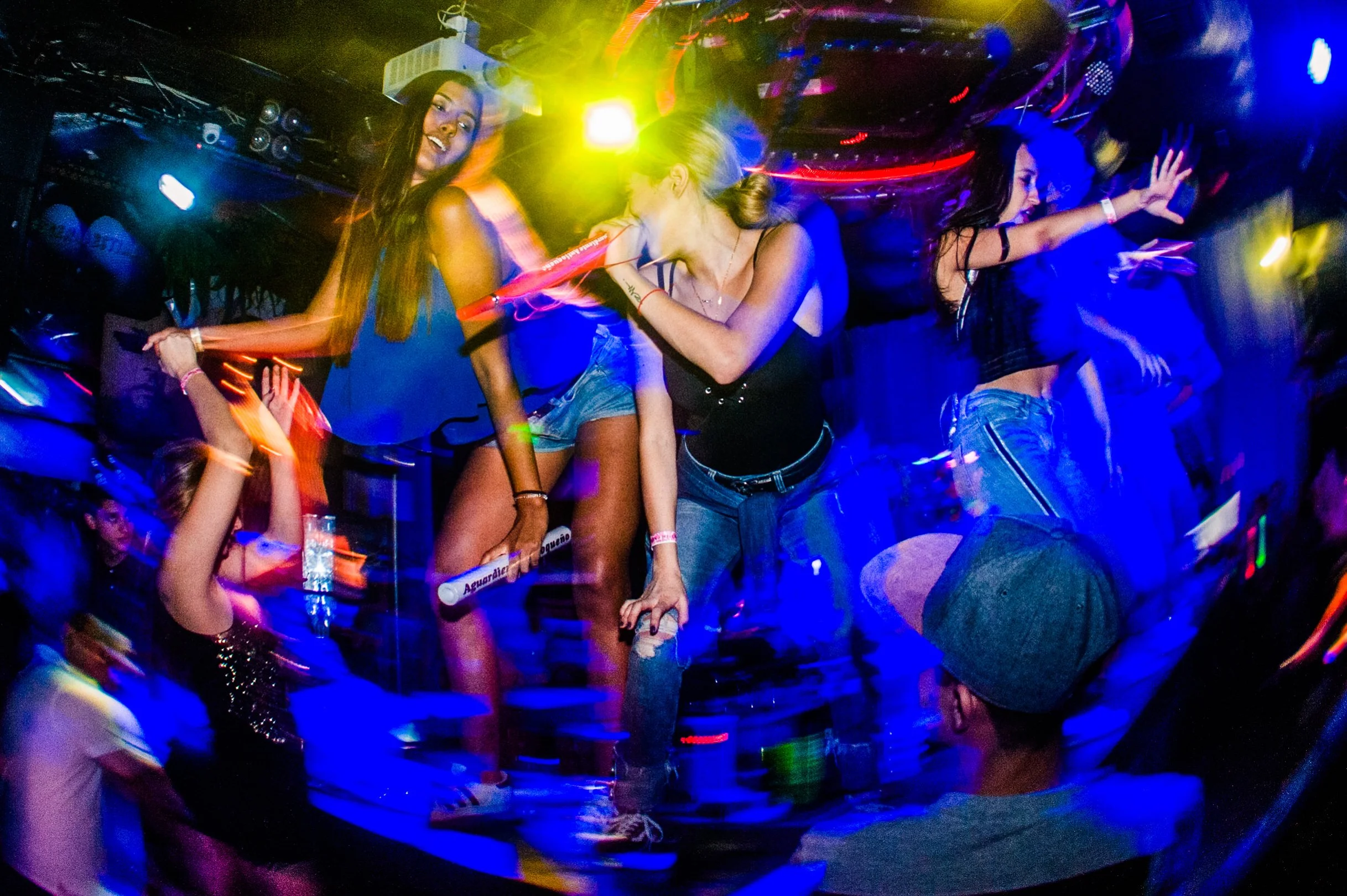
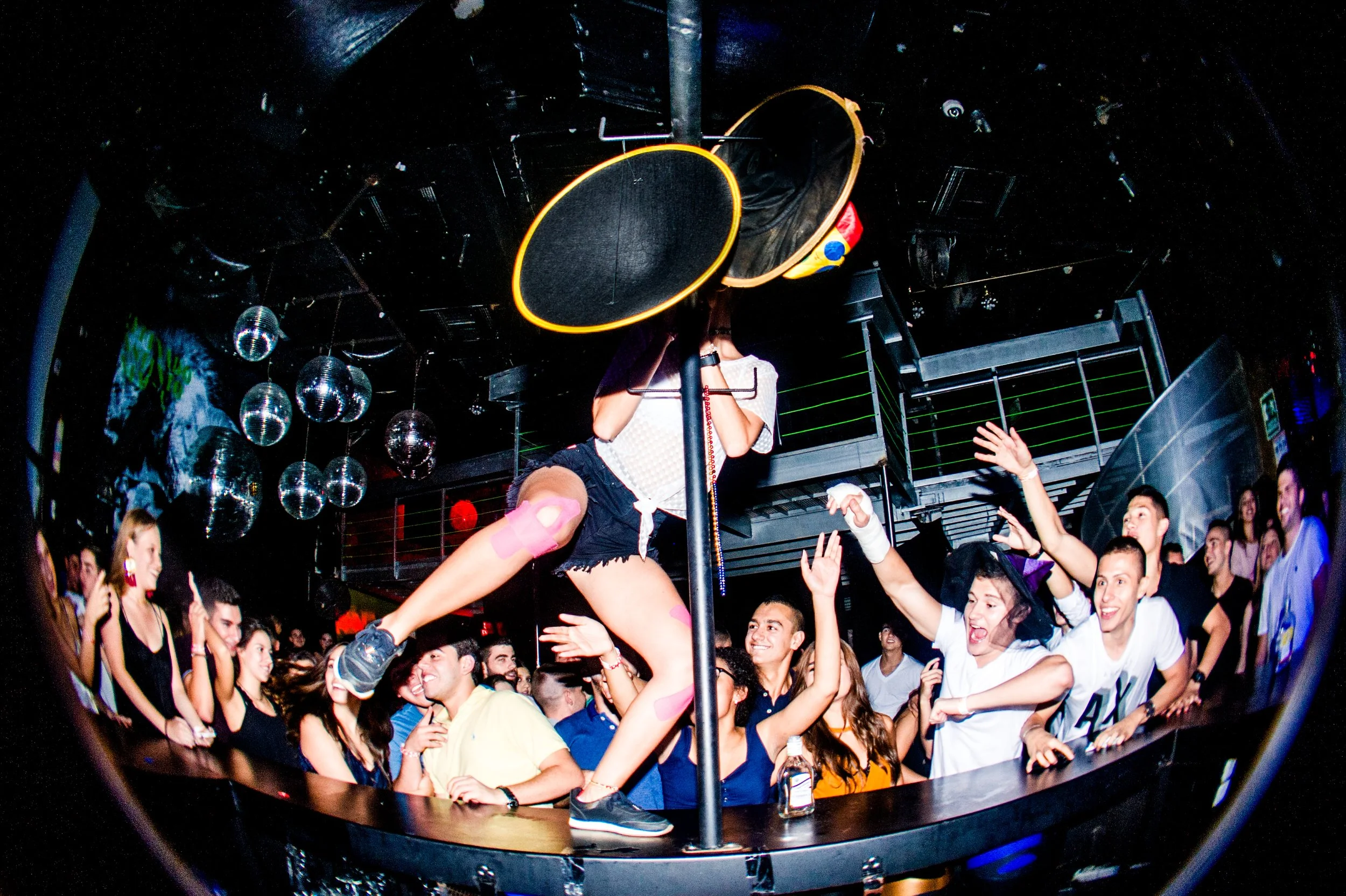
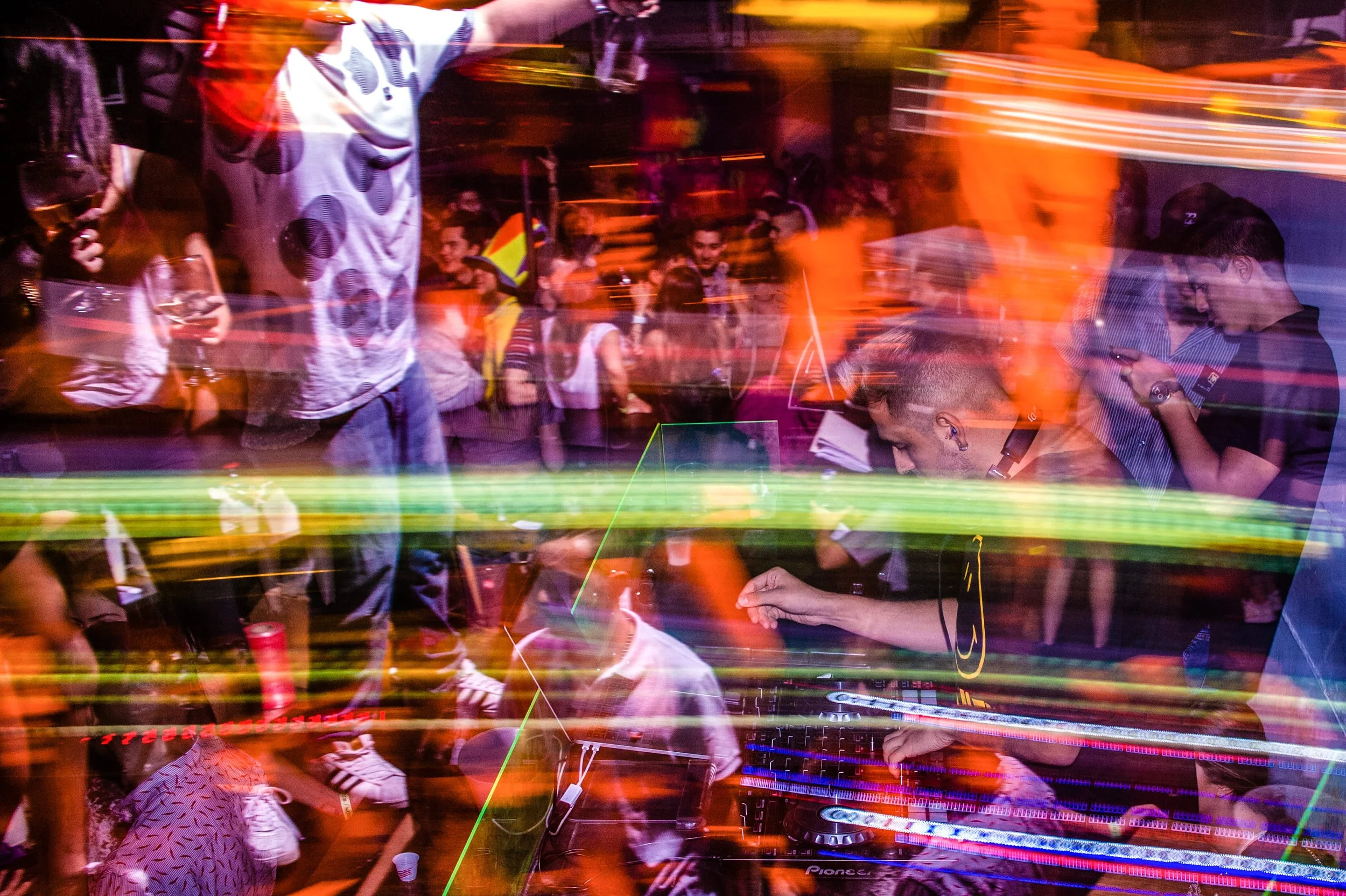
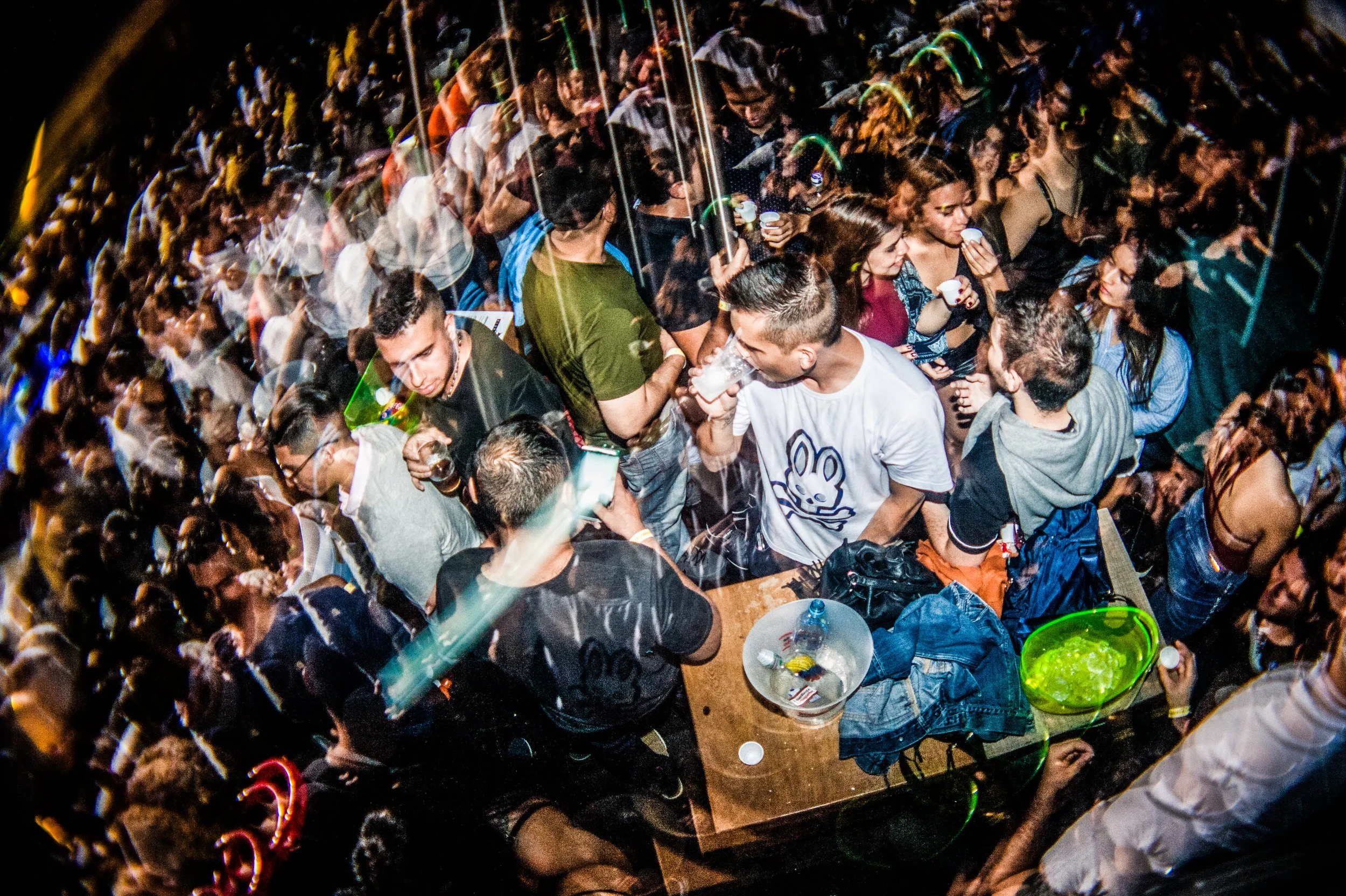
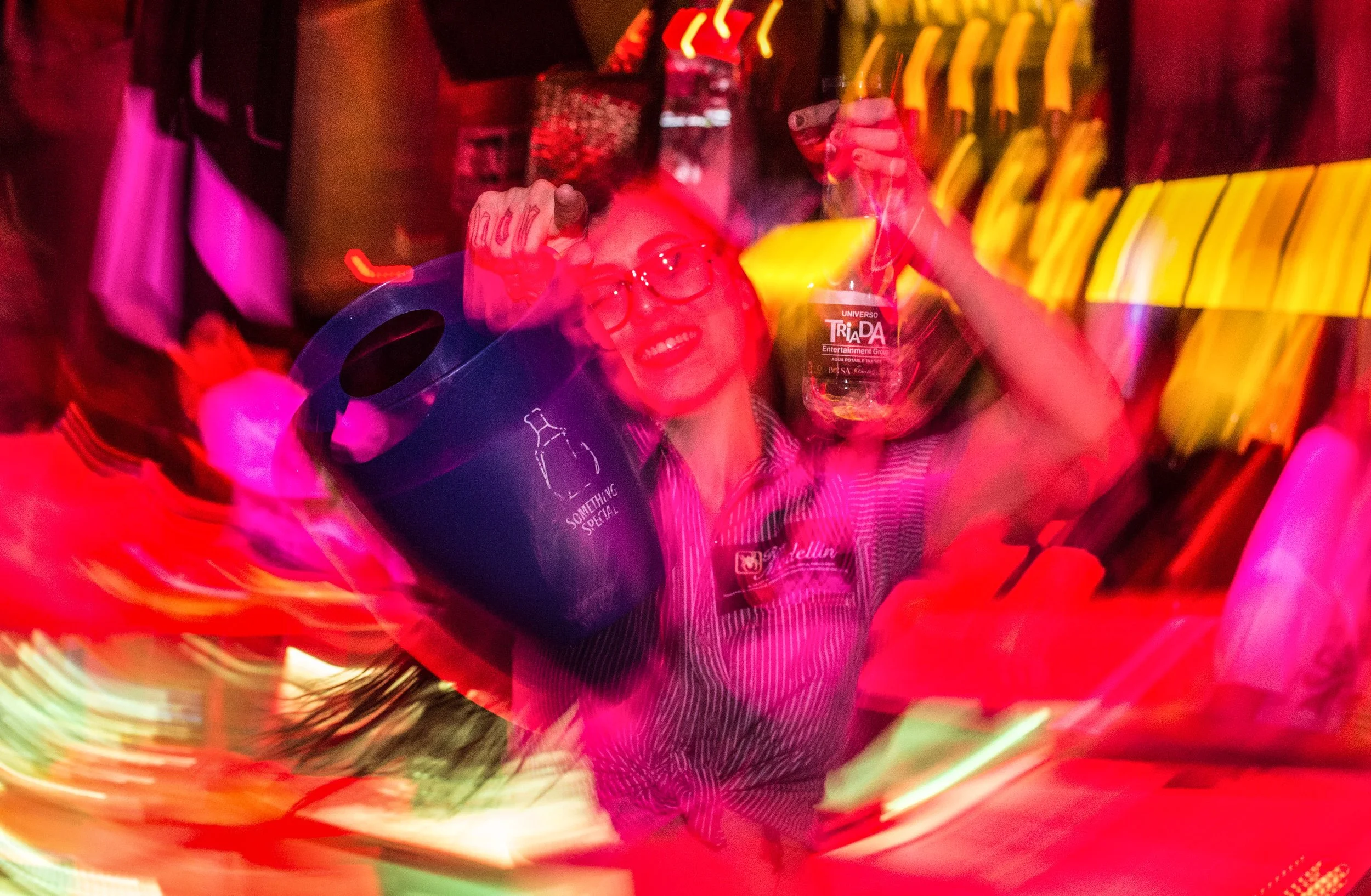
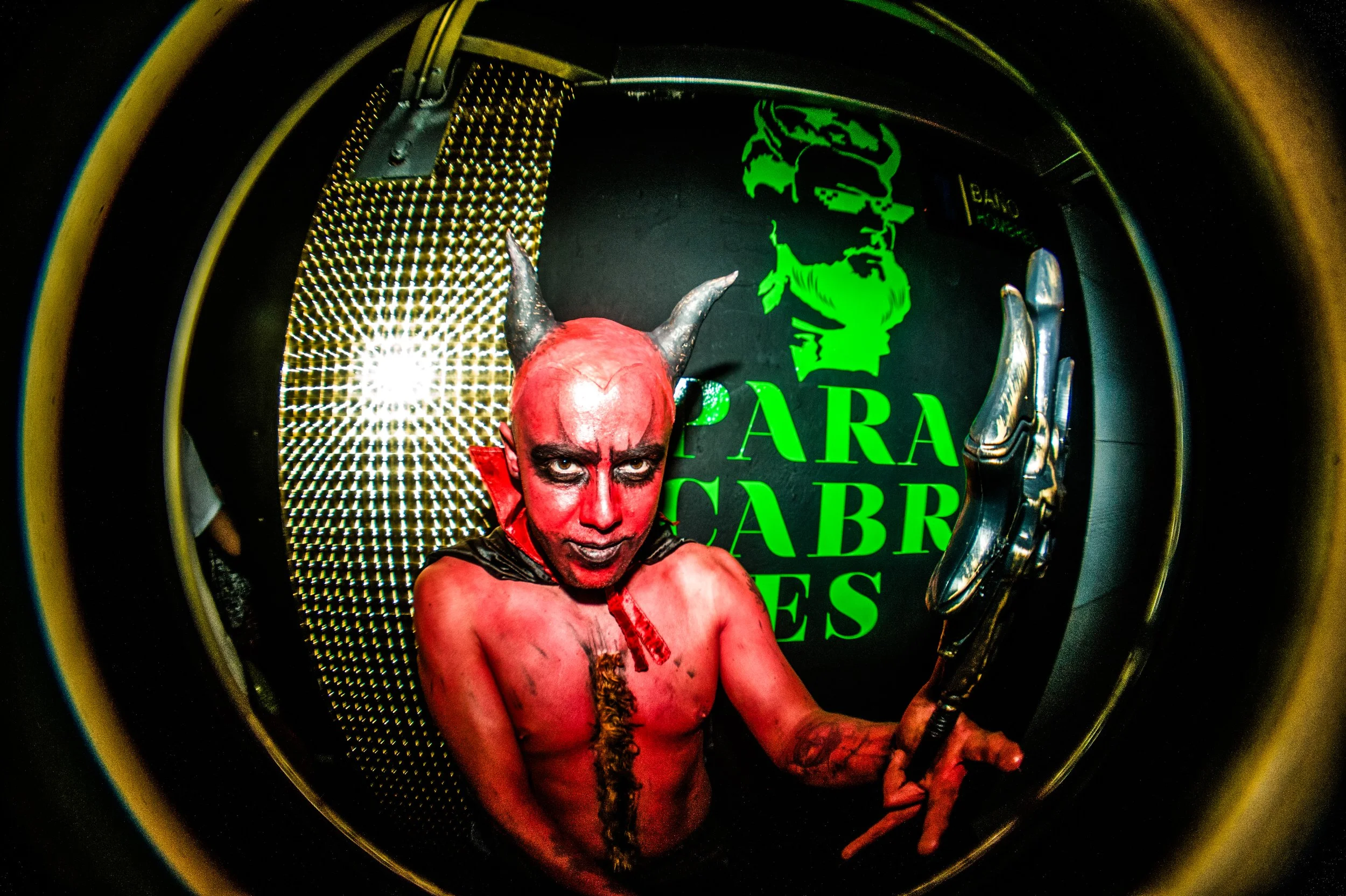
Thursday Through Sunday Belonged to the Night
For the next two years, my weekends became a cycle of moving from one place to another, photographing people drinking, dancing, eating and celebrating across Medellín.
And by Monday at 8 a.m., everything had to be edited and delivered.
Four nights of photographs, ready for the marketing team to start publishing across ten different social media accounts — Instagram, Facebook and everything else.
Then Thursday came around and it started all over again.
But I never wanted to simply arrive, make the pictures they needed and leave.
I stayed.
I hid flashes around the clubs, worked with lighting technicians, dragged the shutter, mixed artificial light with whatever the room gave me and tried things simply to see what would happen.
Sometimes it worked. Sometimes it didn't.
The clubs became a laboratory.
Learning to Work Inside Chaos
Nightclubs are unpredictable places to photograph.
Darkness, smoke, moving bodies, alcohol, tourists, arguments. Light appears for a second and disappears. People walk into your frame. Moments happen without warning and are gone almost immediately.
Outside there was another side of the night: drugs, prostitution and the particular awareness that comes with walking through Medellín at three in the morning carrying camera equipment.
Eventually, I learned how to move through it.
When to approach. When to disappear. When to keep the camera out and when to put it away.
I became a street animal.
Without realizing it, I was learning many of the things that would later define the way I photograph: anticipating gestures, understanding light quickly, reacting instead of overthinking and accepting that very little is under your control.
The Night Taught Me Light
Working in almost complete darkness night after night changed my relationship with flash.
It stopped being something I used simply because there wasn't enough light. It became part of the way I made photographs.
Moving it away from the camera. Hiding it behind people. Mixing it with the lights of the club. Slowing down the shutter and letting movement become part of the frame.
After enough nights, difficult light stopped feeling difficult.
Nightclubs taught me flash because there was almost no light.
They taught me anticipation because nothing waited.
Learning to Look
But mostly, they taught me to look.
That first photograph — the toast that got me the job — already contained the lesson.
I hadn't created the moment.
I had noticed it.
Two years and thousands of photographs later, that was still what I was doing.
Learning to read the night photographing Medellin after dark.